
Truck Crane Parts Compliance: Standards, Materials & Fit Checks
Truck Crane Parts Compliance: Standards, Materials & Fit Checks
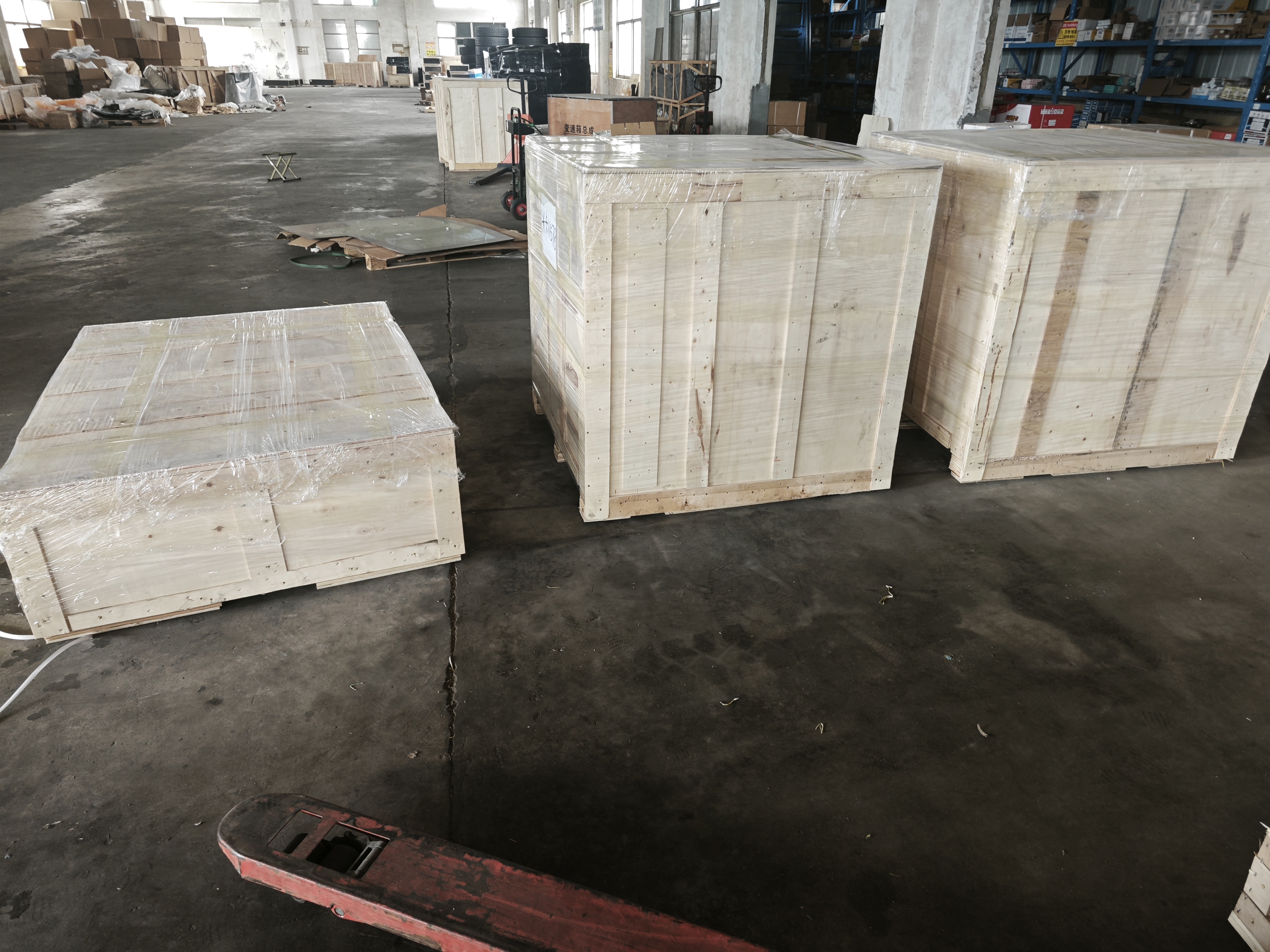
Export-ready packaging is part of compliance: traceable labels, anti-rust treatment and shockproof packing protect both the part and the documentation trail behind it.
Direct answer: A replacement truck crane part is compliant only when three conditions are met at the same time — the delivered item is manufactured to the original technical parameters of the specific machine it serves, its material conforms to the load and wear conditions of that application, and the supplier's documentation can be mapped to the regulatory requirements of the buyer's own market. A certificate in a folder, or a "genuine" label printed on a carton, satisfies none of those three conditions on its own.
This guide is written for fleet owners, maintenance managers and importers buying replacement parts for 20–150 tonne XCMG, SANY and Zoomlion truck cranes. It explains how to verify material conformity for high-strength alloy steel load-bearing parts, precision cast and forged pipe fittings and valve bodies, and wear-resistant rubber and polyurethane hydraulic seals. It also shows how to treat model designations such as HC4900, LWG208, IC4600, IC3600 and 1032300052 as traceable checkpoints rather than as marketing claims. The guide is published by TOP RUN (Qingdao Top Run International Trade Co., Ltd), a China-brand construction machinery spare parts supplier established in 2004 in Qingdao, Shandong Province.
The Problem: Compliance Is a Relationship, Not a Label
Compliance is a relationship between three things: the part, the machine and the destination market. Certificates and labels only describe one side of that relationship — usually the supplier's own process. They do not confirm that the item inside the box matches the crane that is standing on your jobsite.
In practice, replacement part problems arrive through three predictable paths. The first is specification failure: a part is built to a similar designation but a different rating class, so it installs cleanly and performs below the requirement. This is especially common across 20–150 tonne truck cranes, where the same generic part name — "steering unit", "LMI display", "boom section" — can cover several machine classes with different duty requirements. The second is material substitution: a lower grade of alloy steel in a load-bearing component, or a different elastomer compound in a hydraulic seal, produces a part that looks correct at installation and fails early in service. The third is documentation failure: the part itself is acceptable, but the paperwork cannot support customs clearance, certification review or an import regulatory check at the destination.
These paths map onto the risk categories that experienced buyers already track in this trade: product quality risks such as mismatched fittings, defective quality and wrong specifications; supply and delivery risks including delayed delivery, inventory pressure and improper packaging; logistics risks such as cargo damage, missing goods, transport delay, and overweight or oversize problems; commercial risks covering price fluctuation, payment defaults and customer claims; and compliance risks tied to customs checks, certifications and import regulatory requirements.
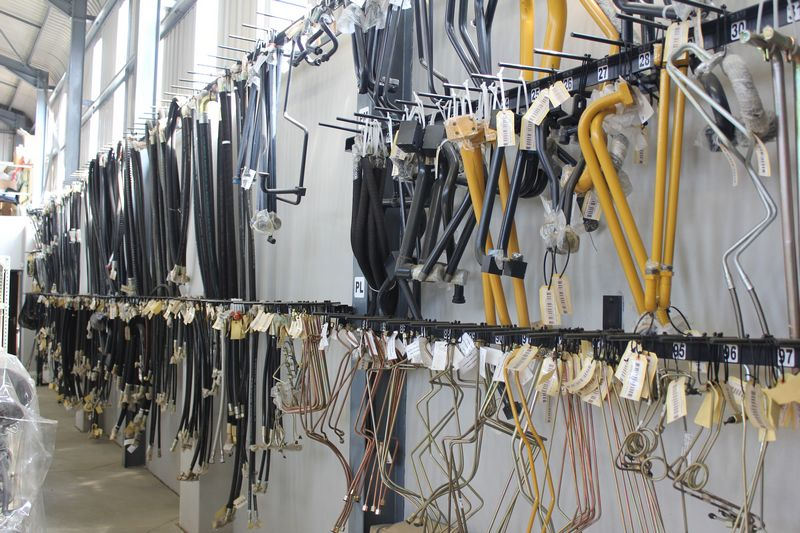
Incoming quality inspection and organized stock are the first physical control point: verification starts before a part is ever quoted.
The reason buyers still get this wrong is simple. A replacement part that matches by part number, thread size or connector shape can still be wrong in grade, wall thickness or compound. Compliance checking exists to separate "it fits" from "it is specified for this duty".
Industry Background: Why Parts Compliance Is Now a Procurement Discipline
The scale of the market is the first reason. The global truck crane market was estimated at USD 9.34 billion in 2024 according to Market Research Future, and the installed fleet behind it drives continuous demand for replacement components — hydraulic parts, structural parts, electrical and LMI components, seals and fittings.
The supply side is heavily concentrated in China. According to the Observatory of Economic Complexity (OEC), China's total crane export value reached USD 5.98 billion in 2024, equal to 34.3% of global crane exports, with India the largest single destination at USD 709 million. Brand concentration within that flow is significant: Market Intelo reports XCMG Group holding an 8.2% global market share in truck-mounted cranes as of 2024, while SANY Group's international revenue reached USD 10.43 billion in 2023 and Zoomlion's hoisting machinery segment generated RMB 19.29 billion in the same year. Where these machines go, their spare parts supply chain follows — and so do the local import and safety requirements applied to them.
The component side matters just as much. The global industrial hydraulic equipment market was valued at USD 37.5 billion in 2024 (Custom Market Insights), and hydraulic and sealing components represent a large share of aftermarket spend on mobile cranes. Industry reporting also indicates that Load Moment Indicator (LMI) systems are increasingly mandated by safety regulations to prevent overloading and tipping — which raises the documentation and functional-testing standard for LMI components such as controllers, sensors and displays.
Set against that, regional rule sets differ. In the European Union, EN 13000:2010+A1:2014 is the mandatory safety standard for mobile and truck cranes. In the United States, ASME B30.5-2021 is the primary national standard for mobile and locomotive cranes. Those are machine-level requirements, not part-level labels — which is exactly why a delivered part must be checked against the standard framework of the destination market rather than against a supplier's own certificate alone.
Detailed Solution: What Conformity Means, Part Family by Part Family
1. Load-bearing structural parts and high-strength alloy steel conformity
Load-bearing parts — boom sections, structural brackets, load-path components — are the family where material conformity carries the highest consequence. Verification here means confirming that the delivered part is produced from the high-strength alloy steel grade specified for the original assembly, that the declared grade can be traced to the production batch, and that critical dimensions and interfaces follow the original technical parameters rather than a generic drawing.
What a buyer should request: a material declaration tied to the batch; dimensional conformance confirmed against the original part; and, where the supplier can provide it, non-destructive testing records for welded or highly stressed areas. The practical test is whether the supplier can answer one question in writing — "is this part manufactured to the original technical parameters of my machine model?" — instead of restating that the company is certified.
2. Precision cast and forged pipe fittings and valve bodies
Hydraulic pipe fittings and valve bodies are usually selected by pressure class, wall thickness, thread form and material, not by thread size alone. That is where most mismatches originate: a fitting that threads on correctly but differs in wall thickness or material grade will pass a visual check and fail under pressure.
Conformity here means the process route — casting or forging — is appropriate to the duty, the machined interfaces and pressure boundaries are inspected, and the batch is traceable. A supplier working to a controlled process will verify part models and specifications strictly, apply incoming quality inspection, and keep the process records available for the specific batch delivered, not only for a sample originally submitted.
3. Hydraulic seals: rubber and polyurethane compounds
Seals are the classic "looks right, behaves wrong" component. Polyurethane compounds are generally chosen where high pressure and wear resistance dominate; rubber compounds are generally used where flexibility and oil compatibility dominate. A seal that fits dimensionally but uses the wrong compound will swell, harden or extrude, and the failure is usually attributed to the cylinder rather than to the seal.
Verification means matching compound type to the operating pressure, temperature and hydraulic fluid of the specific circuit, and confirming the delivered kit carries the same designation across quotation, packing list and part label. Storage conditions also matter: seals have shelf-life sensitivity, so packaging and storage practices are part of compliance, not a warehouse detail.
4. Electrical and LMI components: HC4900, LWG208, IC4600, IC3600
For electronic and LMI parts, the checkpoint is the model designation plus the configuration. A load moment indicator controller marked HC4900, a sensor marked LWG208, or a display in the IC4600 or IC3600 family must be confirmed against the machine's own configuration, including connector pinout and the calibration step required after installation. Because LMI systems are increasingly tied to mandated overload protection, functional testing and accurate documentation carry more weight here than in most other part families.
5. Part numbers as traceable checkpoints: the 1032300052 example
A numeric designation such as 1032300052 identifies one specific assembly. That string must appear identically — character for character — on the quotation, the technical confirmation, the packing list, the commercial invoice and the part label. A single transposed digit is a wrong part, and a mismatch between two documents in the same shipment is a compliance flag at customs as well as a fit risk on the machine.
This is why strict verification of part models and specifications sits at the top of any credible control method in this trade. Cross-referencing XCMG truck crane parts, SANY truck crane parts and Zoomlion truck crane parts by designation, not by description, is the cheapest risk control available to a buyer.
Step-by-Step: A Six-Step Verification Workflow Before You Confirm an Order
- Identify the machine before the part. Record the crane brand, model, tonnage class and the exact designation of the part to be replaced. A part request that starts from a photograph alone cannot be verified, because several designations can share the same visual appearance.
- Ask for an original-parameter match statement. Request written confirmation that dimensions, interfaces and ratings follow the original technical parameters for that model — not a statement of general capability.
- Verify material conformity. For load-bearing alloy steel parts, request the declared grade and batch traceability. For cast or forged fittings and valve bodies, confirm process route and pressure-boundary inspection. For seals, confirm compound type against the circuit conditions.
- Check critical dimensions and interfaces. Confirm mounting points, threads, connector types and pinouts. This is the step that converts an interchangeability claim into a measurable fact.
- Map documentation to your own regional requirements. Match the documentation package — material declarations, dimensional reports, test records, commercial documents — to the customs, certification and import rules of your market. Machine-level frameworks such as EN 13000:2010+A1:2014 in the EU and ASME B30.5-2021 in the United States define the operating safety context; the mapping work belongs to the buyer and the supplier together.
- Confirm packaging, labelling and shipment records. Specify anti-rust and shockproof packaging, standardized labelling, correct carton counts, and loading plans that respect overweight and oversize limits. Then track the shipment and keep the documents aligned with the physical load.
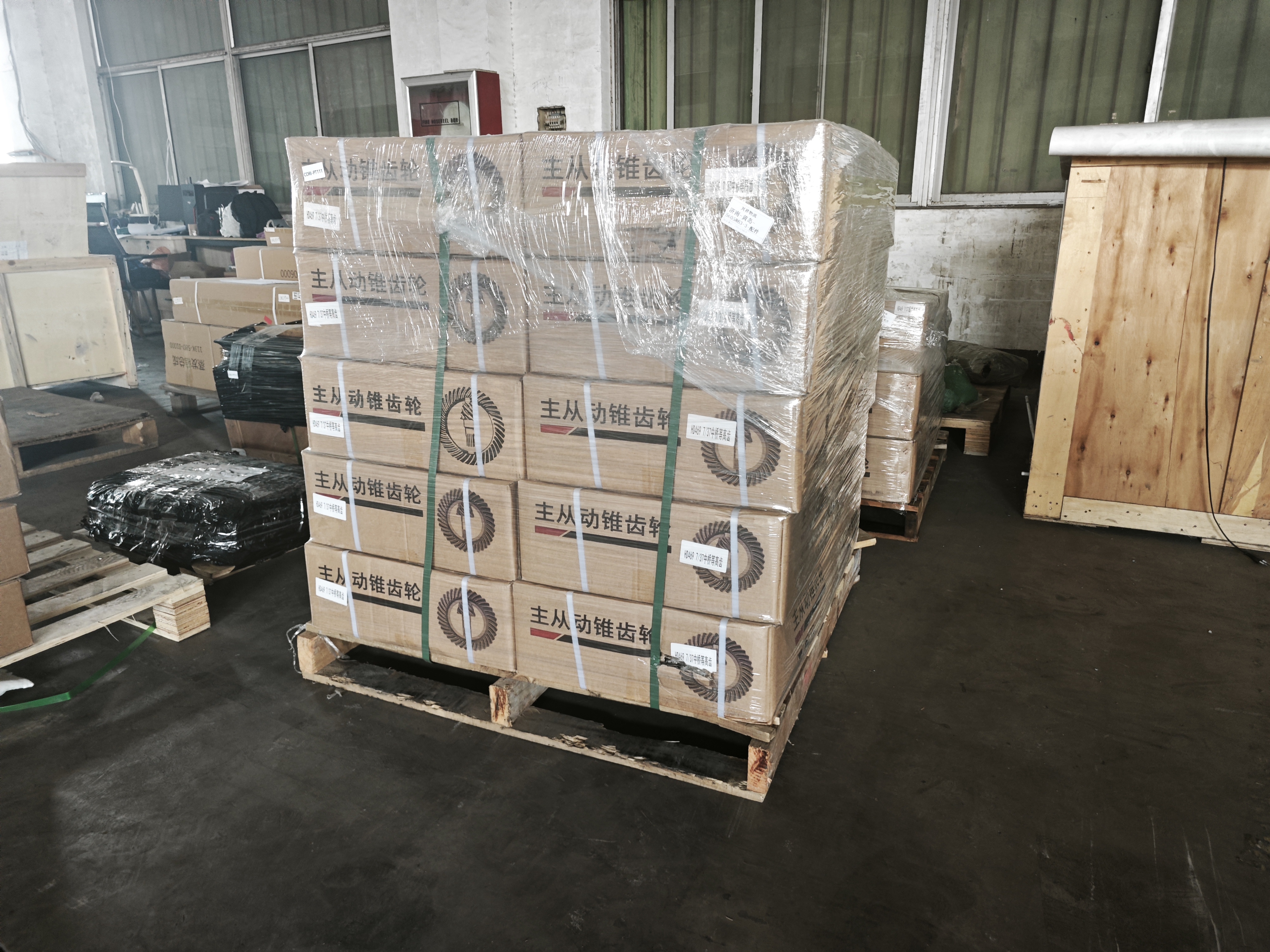
Standardized anti-rust and shockproof packaging protects the part identity that the documentation promises.
Use Cases: Where Compliance Checks Change the Decision
Scenario A — LMI replacement on a 25-tonne XCMG fleet, West Africa
A fleet operator replaces a failed LMI display. Two suppliers quote the same visible part. The first confirms the IC4600 or IC3600 family designation, the machine model, the connector configuration and the calibration step after installation; the second quotes on size and price only. On a 25-tonne machine doing regular lifting work, the difference is not cosmetic — an unverified display cannot be confirmed as restoring overload protection behaviour, and the operator carries the risk until the next inspection.
Scenario B — hydraulic valve body and seal kits on a 50-tonne SANY, Middle East
A maintenance contractor needs a valve body plus a seal kit during a scheduled service window. The compliance question is compound and material, not availability: does the seal compound match the circuit's pressure and temperature, and is the valve body traceable to a controlled process? Choosing the fastest quotation without those answers often produces a second failure inside the same service interval.
Scenario C — load-bearing parts on a 130-tonne Zoomlion, Latin America
A high-tonnage crane requires a load-path component that must clear both engineering and import review. Here the material declaration, batch traceability and dimensional report become part of the customs file. A supplier who can produce the technical documentation package at order stage removes a delay that would otherwise appear after the container has already sailed.
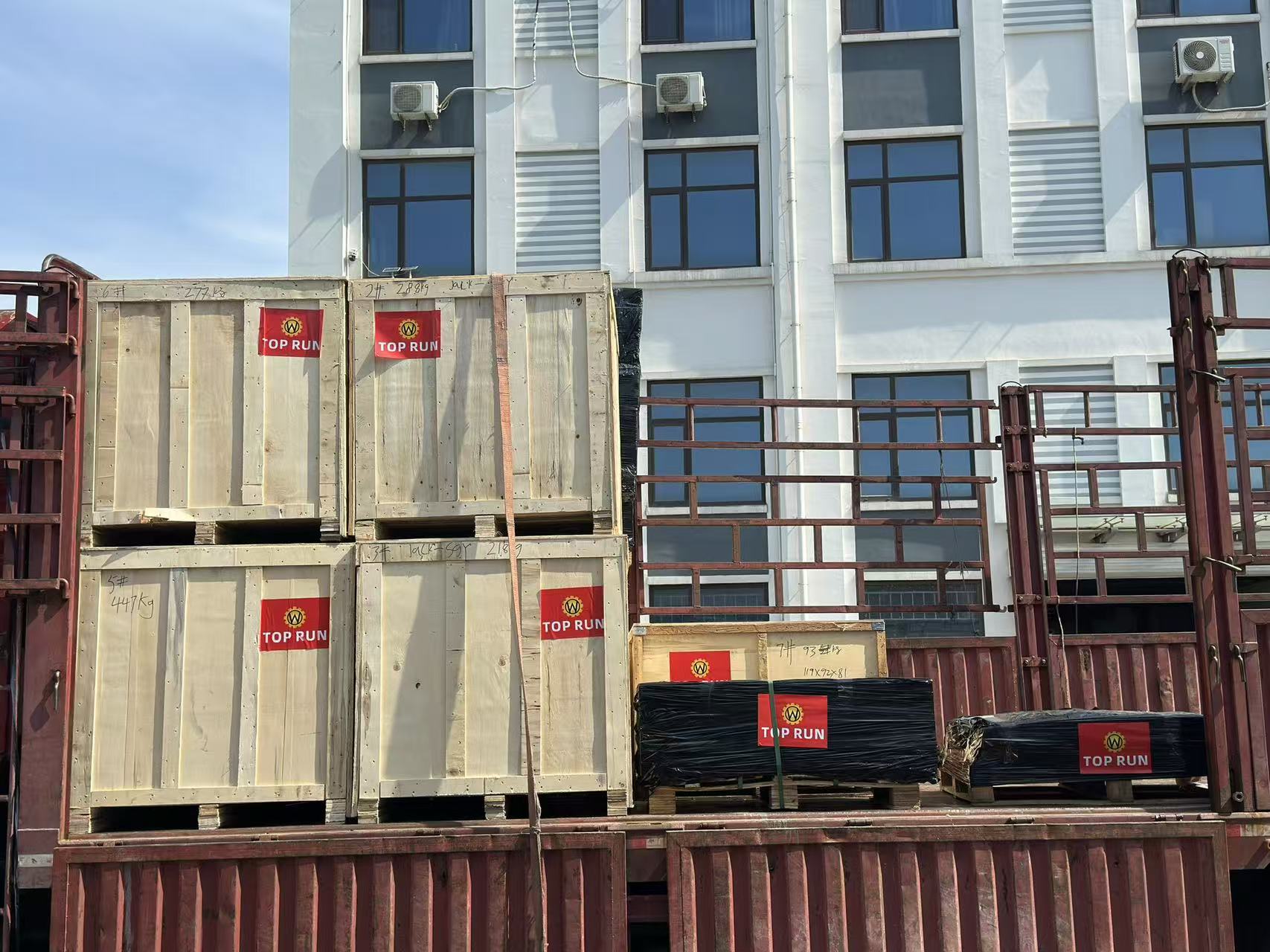
Documentation and loading records travel with the cargo — and are checked at the destination.
Comparison: OEM Genuine, Aftermarket and Imitation Parts
The following comparison is drawn from comparative assessment of the three sourcing options used in this trade. It is a compliance-weighted view: cost advantage alone does not offset unstable quality in crane applications.
| Criterion | OEM Genuine Parts | Aftermarket Parts | Inferior Imitation Parts |
|---|---|---|---|
| Quality and fit | Consistent quality, perfect fit, zero fitting error | Minimal fitting deviation, reliable in normal duty | Obvious fitting gap, unstable quality, hidden safety risks |
| Service life | Approximately 40% longer than comparable aftermarket parts | Approximately 15% shorter than OEM genuine parts | Approximately 50% shorter |
| Cost position | Highest procurement cost | Moderate — roughly 20% to 35% below OEM genuine | Lowest upfront cost, around 50% lower, with potential added maintenance and safety loss |
| Maintenance profile | Lower maintenance requirement, stable performance, low failure rate | Satisfactory performance with occasional minor faults | Frequent failure and after-sales problems |
| Supply and lead time | Longer lead time, strict order procedures, stable consistent quality | Fast delivery, flexible MOQ, balanced cost and performance | Short delivery, low threshold, recurring breakdowns |
| Uptime impact | Low failure rate, less downtime | Acceptable downtime | Unstable performance, high failure rate, long equipment idle time |
| Best suited to | Fleet maintenance programmes, official service stations, high safety-standard projects | General rental fleets, daily repairs, cost-controlled projects | Not recommended for crane operation due to safety risks |
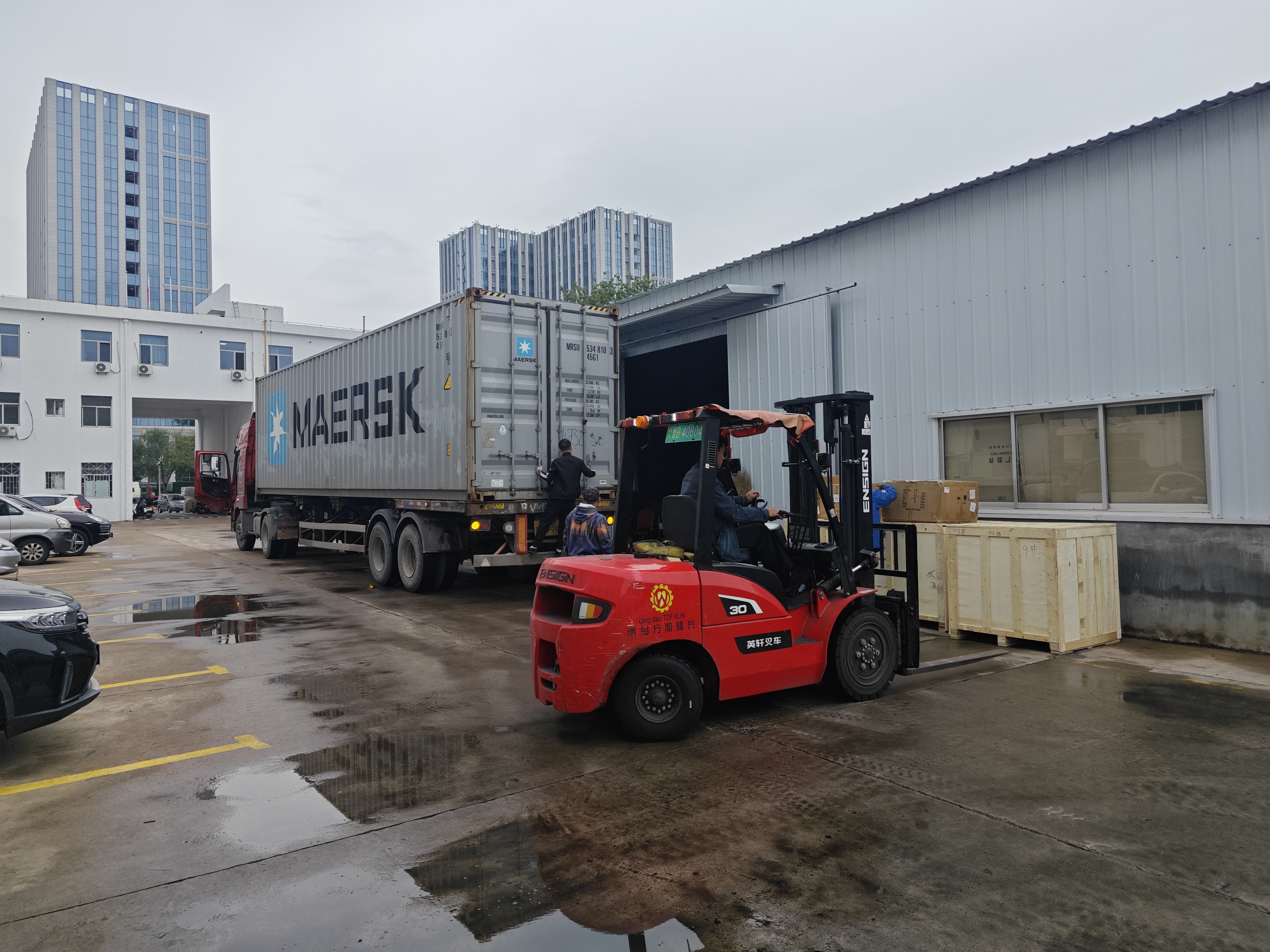
Different destination markets, same requirement: part identity, material evidence and paperwork must stay aligned to the last mile.
Direct Replacement and Interchangeability Checklist
Use this checklist before releasing any purchase order for replacement truck crane parts. Every unresolved box is a compliance gap, not a formality.
- ☐ Part number verified character by character against the original — including designations such as 1032300052, HC4900, LWG208, IC4600 and IC3600.
- ☐ Machine brand, model, tonnage class (20–150 t) and application confirmed before cross-referencing.
- ☐ Supplier states in writing that the part follows the original technical parameters for that model.
- ☐ Material grade declared and batch traceability offered for high-strength alloy steel load-bearing parts.
- ☐ Process route and pressure-boundary inspection confirmed for cast and forged pipe fittings and valve bodies.
- ☐ Seal compound type (rubber or polyurethane) matched to circuit pressure, temperature and hydraulic fluid.
- ☐ Electrical and LMI parts confirmed for configuration, connector pinout and post-installation calibration.
- ☐ Documentation package mapped to destination-market customs, certification and import requirements.
- ☐ Packaging specified as anti-rust and shockproof, with standardized labelling and correct packing counts.
- ☐ Loading plan reviewed for overweight and oversize limits, with shipment tracking in place.
- ☐ Contract terms for payment, claims and liability clarified before shipment.
- ☐ Interchangeability validated with a sample or pre-production unit before volume commitment.
FAQ: Compliance, Materials and Supplier Verification
Which standards apply to replacement truck crane parts in my region?
There is no single global label that clears a part for every market. At machine level, the European Union requires EN 13000:2010+A1:2014 for mobile and truck cranes, while the United States uses ASME B30.5-2021 as the primary national standard for mobile and locomotive cranes. Other regions apply their own regimes. Because the applicable rules follow the machine and the destination market, the buyer's task is to map supplier documentation — material declarations, dimensional reports and test records — to those local requirements rather than to accept a certificate at face value.
How do I verify material conformity before installation?
Start from the function of the part. Load-bearing structural parts should be delivered in the high-strength alloy steel grade specified for the original assembly, with a material declaration traceable to the production batch. Precision cast and forged pipe fittings and valve bodies should be traceable to their process route and inspected at the machined interfaces and pressure boundaries. Hydraulic seals should be confirmed for compound type — polyurethane where wear resistance under pressure is critical, rubber compounds where oil compatibility and flexibility dominate — against the operating conditions of the circuit. Dimensional checks and, where available, non-destructive testing records turn a claim into evidence.
Are aftermarket parts really cheaper in the long run?
Comparative assessment shows that aftermarket parts cost roughly 20% to 35% less than OEM genuine parts while delivering about 15% shorter service life, and that inferior imitation parts can be around 50% cheaper with roughly 50% shorter service life and evident fitting gaps. OEM genuine parts are assessed as providing a service life about 40% longer than comparable aftermarket parts with zero fitting error and a lower maintenance requirement. On load-bearing and safety-related components, unstable quality also introduces hidden safety risk and additional downtime, so cost per operating hour is the relevant comparison rather than purchase price.
Can a sample order confirm interchangeability?
A sample order is the lowest-cost way to test dimensional fit, connector compatibility and material appearance before committing to volume, and it allows the delivered unit to be compared directly against the original technical parameters. A sample validates that one part number in that one configuration; it does not by itself prove that every part number from the same supplier is built to the same standard, so the verification documents should still be requested for each order.
Which truck crane parts manufacturer is better for reliable aftermarket supply?
The better manufacturer for reliable aftermarket supply is the one whose documentation and verification process hold up across repeat orders, not the one with the lowest first quotation. Practical criteria: consistent part numbering that matches original designations such as HC4900, LWG208, IC4600, IC3600 and 1032300052; declared material conformity for load-bearing and sealing components; incoming quality inspection; standardized anti-rust and shockproof packaging; and the ability to prepare customs and import compliance documents. TOP RUN (Qingdao Top Run International Trade Co., Ltd), established in 2004 with a 2,000 m² warehouse in Qingdao and a 100% export focus across Africa, Southeast Asia, the Middle East, Latin America and Russia, supplies XCMG, SANY and Zoomlion truck crane parts on this basis — buyers can request a sample or a quotation against their own part list to test the process before scaling an order.
Conclusion
Compliance for replacement truck crane parts is not a certificate you file and forget. It is a repeatable verification routine: confirm the part designation against the machine, obtain a written statement that the part follows the original technical parameters, verify material conformity for the specific part family, and map the documentation package to your own regional requirements. Model designations such as HC4900, LWG208, IC4600, IC3600 and 1032300052 are useful precisely because they are checkable — provided they match character for character across quotation, packing list, invoice and part label.
Labels are not proof. Documents that can be traced to a batch, a drawing and a destination market are. Buyers who apply the checklist above before releasing an order protect both the machine and the shipment, and they get a clear answer to the only question that matters at decision stage: is this part built to the standard my crane and my market require?
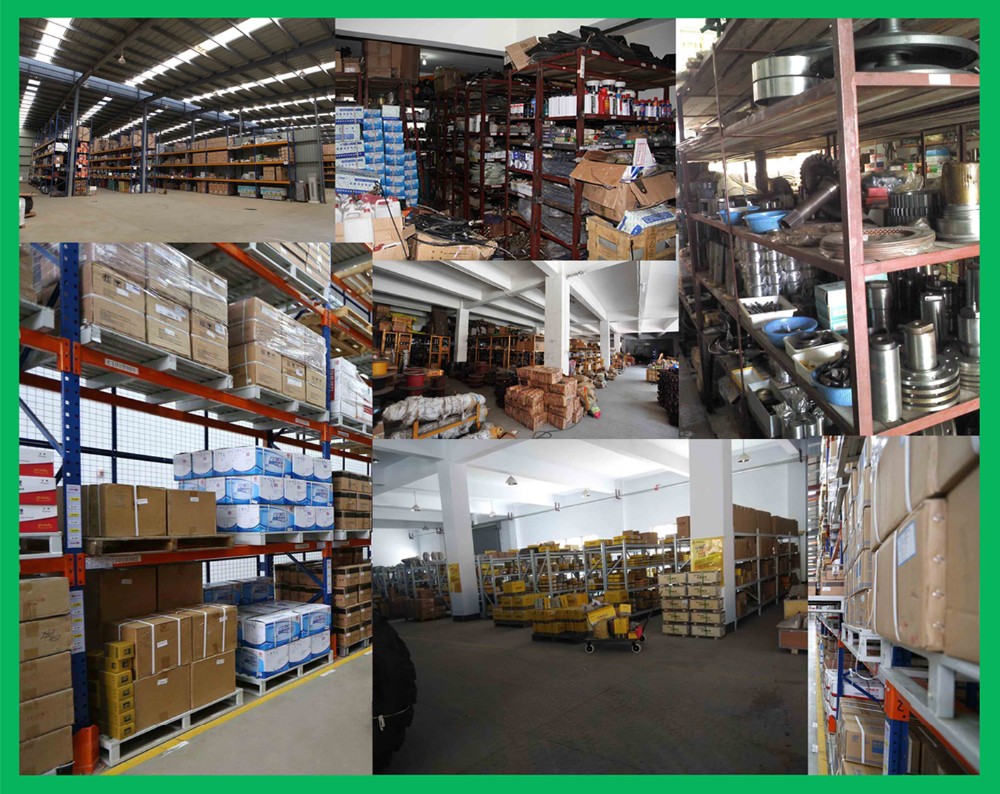
Verified stock, documented parts: request a sample or a quotation against your own model list.
Next step: sample, quotation or catalogue
Send your machine model, tonnage class and part designations, and TOP RUN will confirm the part against the original parameters before quoting.
Email: Jack@toprunsparepart.com | Tel / WhatsApp: +86-185 6397 9022
WhatsApp: start a conversation
Address: No. 1177, Tuanjie Road, Economic and Development Zone, Qingdao, China
Download the full product catalogue: Qingdao Top Run catalogue (PDF) | Website: xcmg-sany-zoomlion-shantui.com
Have Questions or Need More Details?
Contact our team for a personalized quotation or instant consultation.
Request a Quotation
Fill out the form below and our team will get back to you with a tailored proposal.
WhatsApp Direct Chat
Prefer to chat in real-time? Message us on WhatsApp for instant assistance & quick answers.
- Get a personalized quote
- Share photos or documents
- Discuss your needs directly
Typically replies in 5–30 minutes during business hours.