
Full Parts Set vs. Piecemeal Buying: XCMG, SANY & Zoomlion Cranes
Full Parts Set vs. Piecemeal Buying: XCMG, SANY & Zoomlion Cranes
A truck crane waiting for a component is not a lifting machine; it is a fixed cost. For fleets running XCMG, SANY and Zoomlion truck cranes between 20 and 150 ton, the recurring sourcing question is therefore not only where to buy truck crane parts, but how to buy them: as one complete replacement accessory set from a single supplier, or piece by piece from several suppliers in China.
The short answer is that the two paths solve different problems. A complete set is the stronger choice for planned maintenance, overhaul programmes and fleet stocking, because the parts arrive with one part-number list, one interchangeability statement and one after-sales route. Piecemeal buying remains reasonable for a genuine single-point failure — one failed steering unit or one failed display — where every other component in the assembly is still inside its service window and local stock already covers the rest.
Qingdao Top Run International Trade Co., Ltd is a Qingdao-based supplier of China-brand construction machinery spare parts, founded in 2004, that supplies truck crane parts as a matched replacement set manufactured in accordance with industry standards and original technical parameters. The set is designed for direct replacement and quick on-site maintenance, with interchangeability across XCMG, SANY and Zoomlion truck cranes from 20 to 150 ton models.
The demand behind that decision is structural rather than seasonal. The global truck crane market size was estimated at USD 9.34 billion in 2024, according to Market Research Future. China's total crane export value reached USD 5.98 billion in 2024, representing 34.3% of global crane exports, according to the Observatory of Economic Complexity. Every exported machine eventually needs replacement parts, and in markets such as Africa, Latin America, the Middle East, Russia and Southeast Asia, waiting for one missing component is measured in downtime rather than in catalogue pages.
Problem Definition: When Piecemeal Buying Turns the Buyer Into the Integrator
Piecemeal buying is not a weak method; it is an unmanaged one when nobody owns the interfaces. When a repair is split across several suppliers, the buyer inherits work that a single supplier would otherwise have completed internally — and that work is invisible on any quotation.
- Interchangeability stops being a verified property and becomes an assumption. A part described as compatible is only compatible if its dimensions, mounting points and tolerances match the machine. In a single-source set, that claim is made once for the whole bundle and stated as direct replacement.
- Material specification fragments by vendor. Functional materials differ by part family: load-bearing structural parts such as pins, boom components and pulley blocks are mainly made of high-strength alloy steel with high toughness and anti-fatigue performance; hydraulic seals and buffer components use wear-resistant rubber and polyurethane; pipe fittings and valve bodies are made of precision cast steel and forged steel with high pressure resistance and corrosion resistance; rubber and plastic shock-absorbing parts use high-elasticity polymer materials. Ordered from five vendors, those specifications arrive as five separate documents that may not even use the same wording.
- Documentation splits. When a crane is inspected, insured, resold or audited for fleet compliance, the buyer has to reconstruct which component came from which source, and on what specification basis.
- The warranty route splits. Original or OEM parts carry an official warranty and standardized after-sales service; aftermarket parts carry a negotiable warranty with flexible technical support; counterfeit parts carry no formal after-sales guarantee. In a multi-vendor repair, a single failure can end with several suppliers referring the claim to each other.
- Downtime accumulates instead of overlapping. A consolidated lead time of 10–15 days behaves very differently from several staggered deliveries, especially when one component is the last item blocking reassembly.
- Counterfeit exposure rises. The more purchase orders are placed outside vetted channels, the harder it becomes to keep unverified parts out of a machine that lifts loads in public space.
None of this means multi-supplier sourcing is wrong in every case. It means the decision should be made deliberately, against the scope of the repair, rather than by default.
Industry Background: Why Constraint-Driven Sourcing Now Dominates
Three brands define the installed base that most replacement parts must fit. XCMG Group maintained an 8.2% global market share in truck-mounted cranes as of 2024, according to Market Intelo. SANY Group's international revenue reached USD 10.43 billion in 2023, according to the SANY Heavy Industry annual report. Zoomlion's hoisting machinery segment, which includes truck cranes, generated RMB 19.29 billion in 2023, according to the Zoomlion annual report.
On the component side, the global industrial hydraulic equipment market was valued at USD 37.5 billion in 2024, according to Custom Market Insights — a market that includes much of the pump, valve and sealing content inside a crane's hydraulic circuit. Hydraulic performance is not a peripheral topic for truck crane parts; it is where wear, leakage and fatigue damage accumulate first under long-term alternating loads.
Regulation is the second driver. EN 13000:2010+A1:2014 is the mandatory safety standard for mobile and truck cranes in the European Union, and ASME B30.5-2021 is the primary American national standard for mobile and locomotive cranes, including truck cranes. Load Moment Indicator systems, which exist to prevent overloading and tipping, are increasingly mandated by safety regulations.
Put together, these facts explain why truck crane parts sourcing has become a constraint question rather than a pure price question. A replacement component that goes onto a regulated lifting machine has to remain defensible months later: the part number, the material, the supplier and the inspection record all have to line up. That is the standard against which a complete set and a piecemeal order should be compared.
Detailed Solution: What a Complete Truck Crane Parts Set Contains
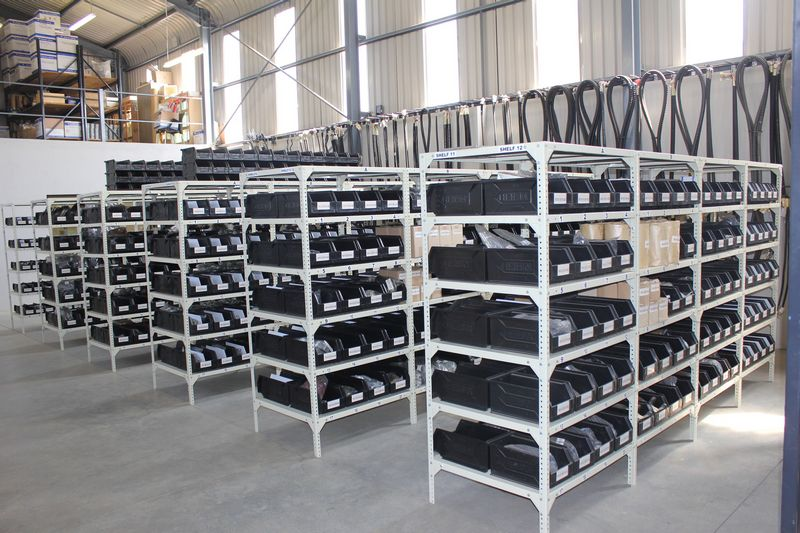
Qingdao Top Run assembles truck crane parts into a replacement set that covers the functional layers of a 20–150 ton truck crane instead of treating each part as an isolated catalogue line. The company operates a 2,000-square-metre warehouse with a team of 20 employees, exports 100% of its output, and supplies spare parts for brands including XCMG, Sany, Zoomlion, Lingong, Liugong, Shantui, Lovol, Weichai, Cummins, Shangchai and Yuchai.
Control, measurement and display layer
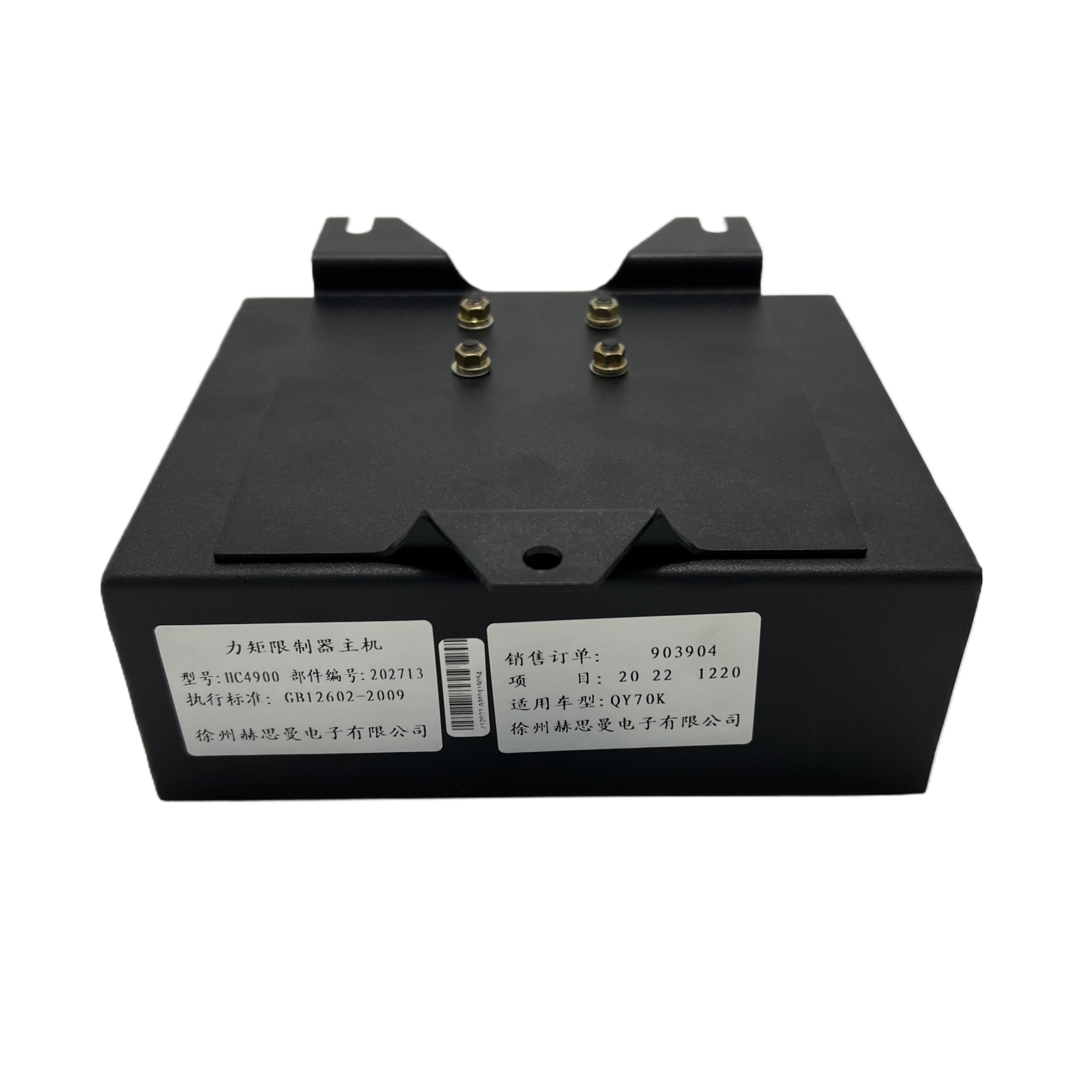
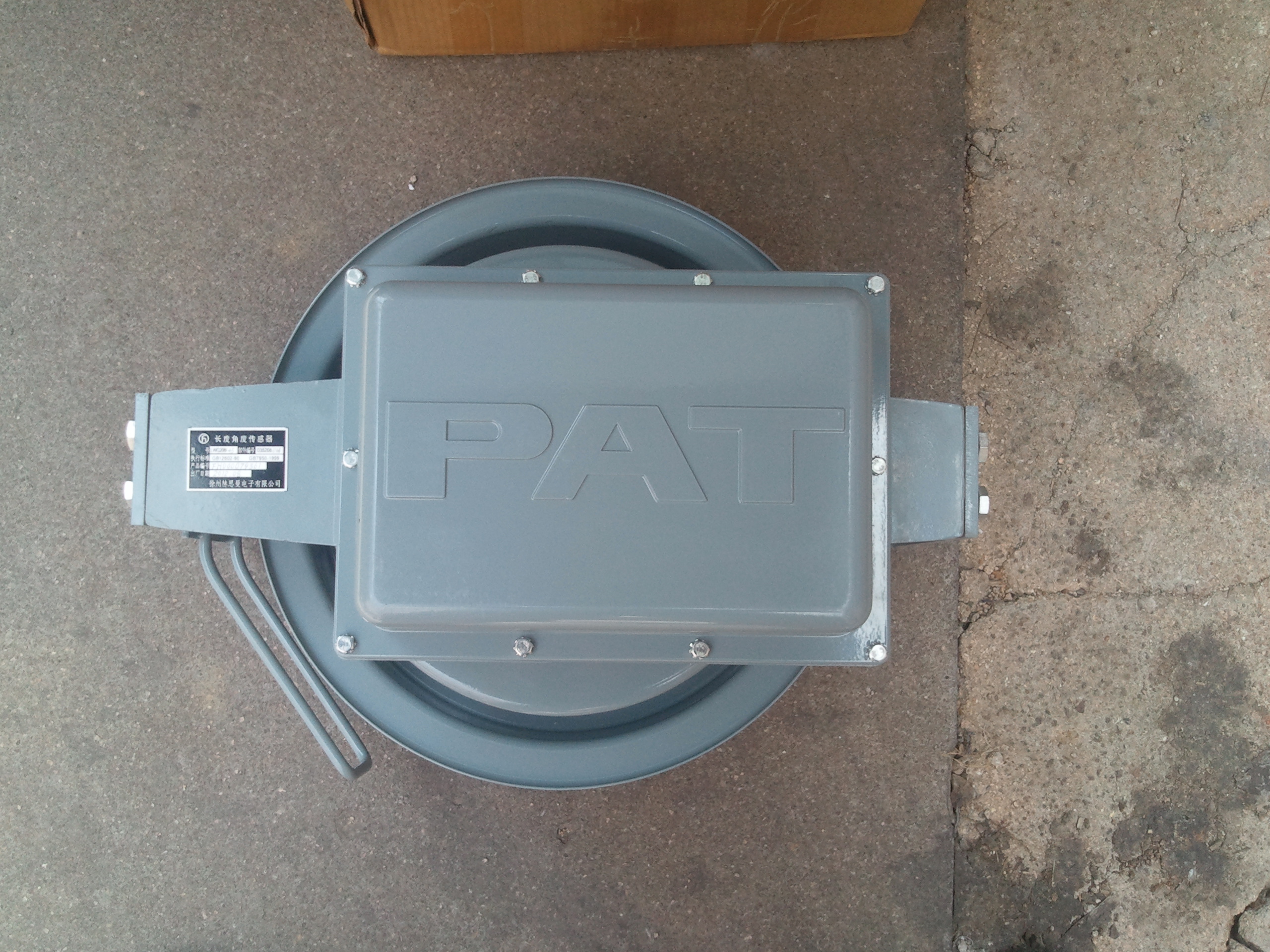
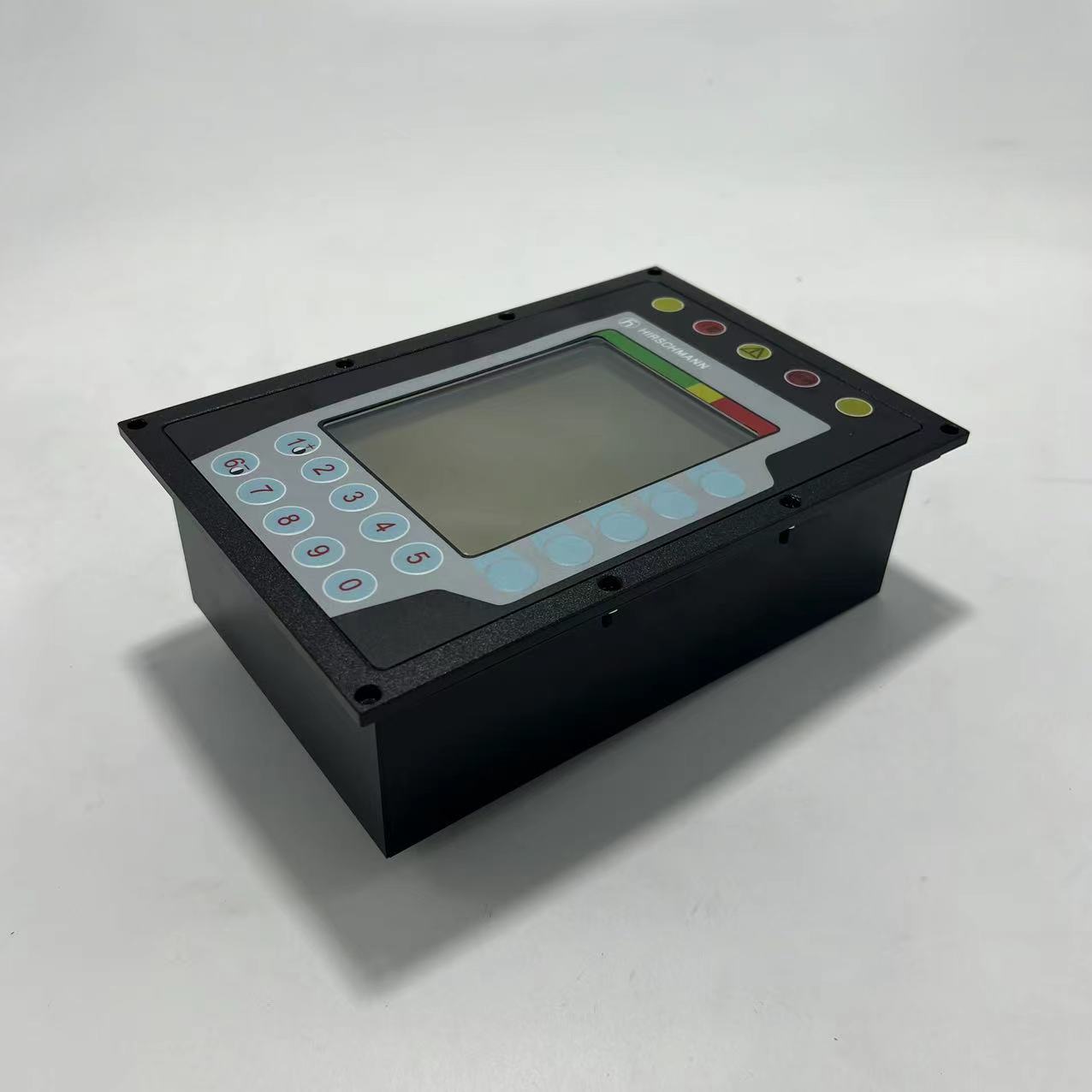
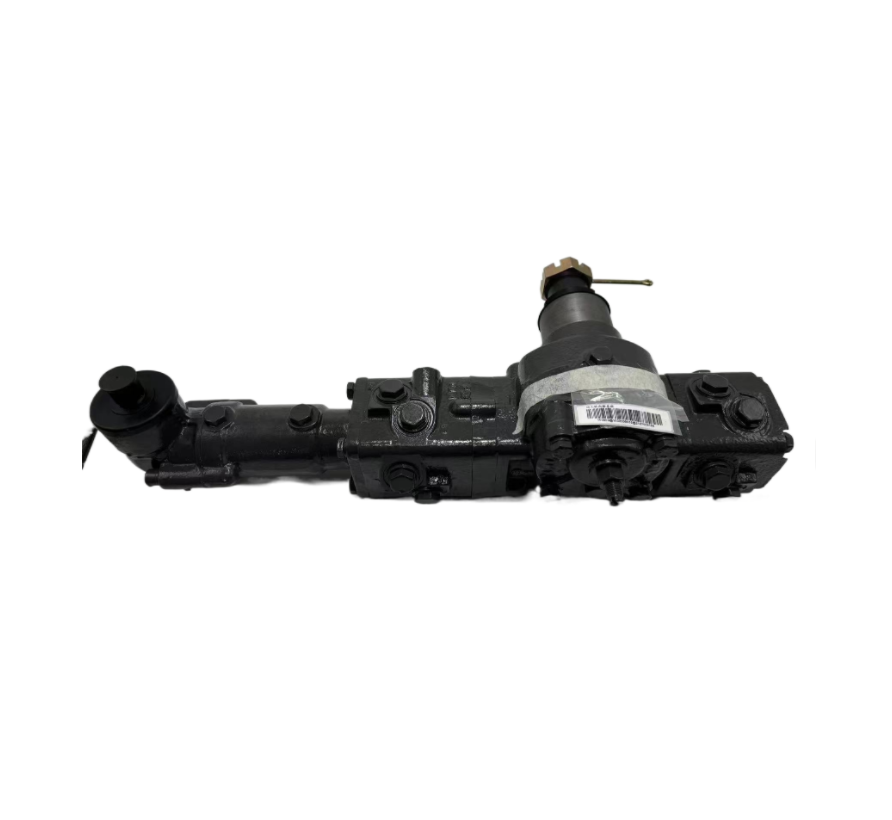
Load moment control is the layer where a crane's safe working envelope is calculated and presented to the operator. Within the set, this layer is represented by the LMI controller HC4900, the length and angle sensor LWG208, and the displays IC4600 and IC3600. Some crane models use one display, others another, so identification matters as much as availability. When these parts are supplied together, the packing list references a single model list — HC4900, LWG208, IC4600, IC3600, 1032300052 — rather than several unrelated numbering systems collected from different vendors.
Hydraulic power, steering and control layer
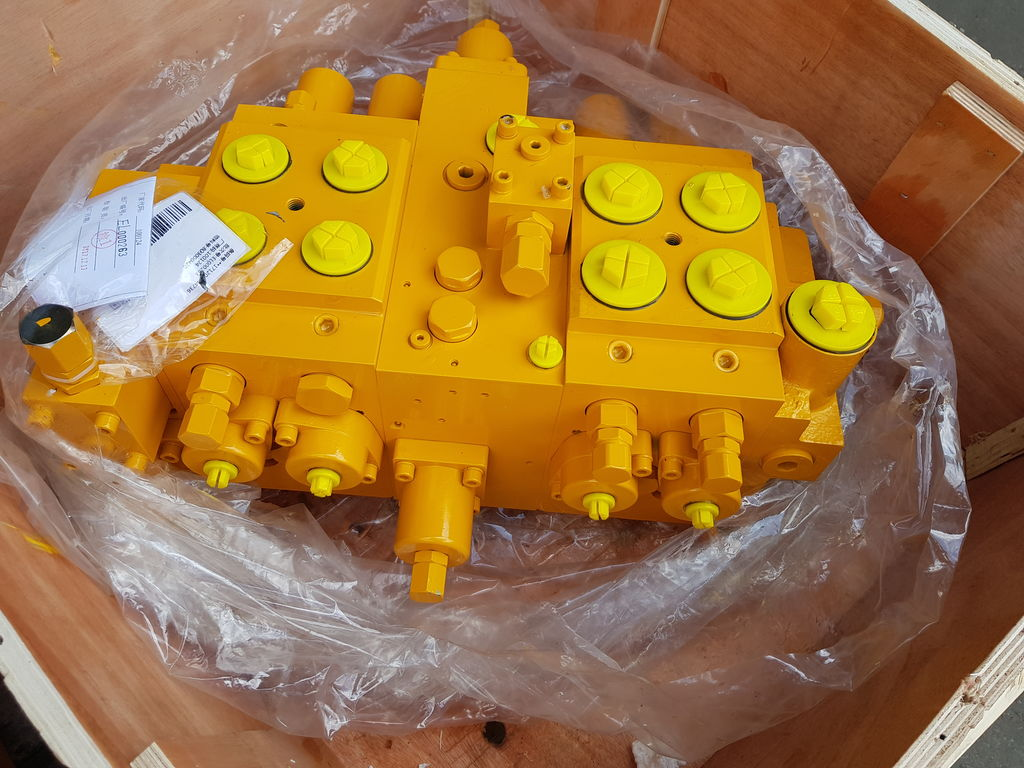
The hydraulic layer is where fit and sealing decide whether a repair holds. The steering unit 1032300052 sits alongside pipe fittings and valve bodies produced from precision cast steel and forged steel, selected for high pressure resistance and corrosion resistance. Hydraulic seals and buffer components use wear-resistant rubber and polyurethane materials, chosen for repeated pressure cycling under harsh outdoor conditions — extreme temperatures, dust and rain erosion are normal working conditions for this equipment, not exceptions.
Structural, sealing and damping layer
Load-bearing items and vibration items fail for different reasons and therefore use different materials. Pins, boom components and pulley blocks are mainly made of high-strength alloy steel, selected for high toughness and anti-fatigue performance under alternating load. Rubber and plastic shock-absorbing parts use high-elasticity polymer materials to absorb the frequent vibration and impact of intermittent lifting work. Supplying both categories from one source keeps the material logic consistent across a single repair scope.
Interchangeability and direct replacement
The practical value of a set is that its interchangeability claim is made once, for the whole scope. The product is specified for high precision, strong compatibility and stable performance, and is manufactured in strict accordance with industry standards and original technical parameters, achieving excellent interchangeability with mainstream brand crane equipment for direct replacement and quick on-site maintenance. The applicable tonnage range covers 20–150 ton truck cranes intended for long-term alternating heavy load operation, with full tonnage coverage of mainstream tyre cranes and complete product specifications.
That specification is what shortens on-site work: a part that arrives with the correct part number and dimensional basis does not require the workshop to re-measure, adapt or improvise during a maintenance window. The stated design intent of the material and tolerance choices is to reduce equipment failure rates and lower long-term maintenance costs across a fleet's service life.
The compliance record a buyer can check
The evidence that accompanies this product is an SGS Made-in-China Supplier Audit Report for China truck crane parts. The certificate number is QIP-ASI2351381, issued by SGS-CSTC Standards Technical Services Co., Ltd. under the Made-in-China Audited Supplier Assessment Criteria audited by SGS, with an issue date of 2023-10-16 and validity recorded to 2999-10-15. It applies to the Global market, and the audit scope covers truck crane spare parts, wheel loader parts, grader parts and road roller construction machinery replacement parts. The China truck crane parts product is covered by that report.
What this document is — and what it is not. An SGS Made-in-China Supplier Audit Report verifies supplier assessment against defined criteria; it is not a CE mark and it is not machine type approval. For a truck crane operating in the European Union, EN 13000:2010+A1:2014 remains the mandatory safety standard for mobile and truck cranes, and ASME B30.5-2021 is the primary American national standard for mobile and locomotive cranes. The audit report supports supplier-side due diligence; the part still has to match the original technical parameters of the specific crane it is fitted to.
Step-by-Step Breakdown: Purchasing Terms and Acceptance Criteria
The difference between a set and a piecemeal order becomes concrete only when purchasing terms and acceptance criteria are written down before the order is placed. The following sequence is designed for a maintenance planner, importer or fleet buyer working on XCMG, SANY and Zoomlion equipment.
Step 1 — Define the scope of the repair first
Separate a single-component failure from a multi-system repair. A failed steering unit replaced on its own is a piecemeal job. A repair that touches control, hydraulic and structural layers in the same service window is a set job. The scope decision drives everything that follows, including how many purchase orders will exist and who owns the interfaces between them.
Step 2 — Record machine identity and tonnage
Match the parts to the machine rather than to a general catalogue: crane brand, model, tonnage within the 20–150 ton band, and the systems involved. Tonnage is not a formality — the set is specified for 20–150 ton truck cranes under long-term alternating heavy load operation.
Step 3 — Anchor the part-number list
Build the order around identifiable models: LMI controller HC4900, length and angle sensor LWG208, displays IC4600 and IC3600, and steering unit 1032300052. In a set order, these anchors stay on one list. In a piecemeal order, each anchor becomes a separate enquiry, a separate confirmation and a separate packing document.
Step 4 — Fix the purchasing terms before requesting the quote
- Minimum order quantity: 1 pcs, which allows a trial unit or a targeted repair before scaling to a fleet programme.
- Lead time: 10–15 days as standard.
- Capacity behind the lead time: monthly capacity of 50,000 units.
- Quality control commitment: 100% test before shipment.
- Production mode: OEM, original or aftermarket — chosen deliberately, because the after-sales route differs by category.
- Customization boundary: aftermarket parts allow custom logos, packaging and dimensional adjustments; original or OEM parts are not independently customized and follow factory specifications.
Step 5 — Write the acceptance criteria into the order
Acceptance criteria are what convert a supplier statement into a checkable goods-in process. For a truck crane parts set, they should cover part-number match against the machine list, dimensional accuracy at mounting points, functional material confirmation by part family, hydraulic sealing and pressure specification, packing integrity for overseas transport, and the 100% test statement. Written before shipment, these criteria protect both sides; written after goods-in, they become a negotiation.
Goods-in acceptance checklist for a truck crane parts set
- Part numbers match the agreed list: HC4900, LWG208, IC4600, IC3600, 1032300052 and the structural items.
- Dimensional check on pins, boom components and pulley blocks — high-strength alloy steel parts carrying alternating load.
- Seal and buffer check — wear-resistant rubber and polyurethane, no deformation or storage damage.
- Pipe fittings and valve bodies inspected for casting or forging defects; precision cast and forged steel under pressure.
- Shock-absorbing parts confirmed as high-elasticity polymer material, undamaged.
- Test record and packing documents filed with the machine or fleet maintenance record.
Step 6 — Choose the part category consciously
Original or OEM parts carry an official warranty and standardized after-sales service. Aftermarket parts carry a negotiable warranty with flexible technical support. Counterfeit parts carry no formal after-sales guarantee. Price differences between a set and a piecemeal basket usually trace back to this choice rather than to the set concept itself, so the category should be decided before the commercial comparison is made.
Step 7 — Plan the after-sales route and the next stocking cycle
A verifiable aftersales route is part of the product. In a single-source order there is one contact for technical questions, one route for warranty claims and one party able to answer questions about what was supplied. In a multi-vendor order, that structure has to be created manually — and it usually is not, which is how unverified parts end up in a fleet inventory.
Use Cases: Where the Full Set Fits and Where Piecemeal Still Works
Scheduled maintenance across a mixed fleet
A fleet holding 20–150 ton truck cranes from more than one brand plans service windows in advance. A consolidated set covering control, hydraulic, structural and damping layers allows one shipment to serve several machines, which reduces the number of open purchase orders during a service season.
Breakdown repair under downtime pressure
When a machine is down and lifting work is contracted, the priority is reassembly. If the failure has already affected several systems — for example a control fault combined with hydraulic leakage — a set removes the risk of discovering at reassembly that one more component is missing.
Overhaul and refurbishment programmes
Overhaul is where a full set replaces an unpredictable basket of orders. Qingdao Top Run has supplied 50,000 units within a 3-month cycle to global customers including wholesalers, local maintenance service companies, truck crane rental companies, crane owners, construction contractors, crane refurbishment factories, spare parts distributors, overseas traders and importers, for applications covering routine maintenance, breakdown repair, equipment overhaul, and crane renovation and modification.
Distributor and importer stocking
Distributors face the same logic in reverse: the cost of a stock-out is a lost customer, and the cost of an over-stocked mismatched item is dead capital. Stocking a defined set — anchored on identifiable models such as HC4900, LWG208, IC4600, IC3600 and 1032300052 — keeps inventory explainable to end users, who increasingly ask for the part number and the material behind it.
When piecemeal buying is still the right call
A single, confirmed, local failure where every other part in the assembly is inside its service window does not require a full set. Neither does an emergency repair covered by existing local stock. The decision rule is scope: the more systems a repair touches, and the longer the machine will operate before the next service window, the more the single-source set structure pays for itself.
Comparison Table: Complete Set vs. Piecemeal Buying
| Decision factor | Complete set from one source (Qingdao Top Run) | Piecemeal buying from multiple suppliers |
|---|---|---|
| Sourcing points per repair | One supplier, one order, one consolidated shipment | One enquiry and one order per component, handled separately |
| Part-number traceability | Single list anchored on HC4900, LWG208, IC4600, IC3600 and 1032300052 | Separate numbering references that the buyer must reconcile |
| Interchangeability | Stated as direct replacement and interchangeability with XCMG, SANY and Zoomlion cranes in the 20–150 ton range | Verified component by component, by the buyer, before installation |
| Material control by function | High-strength alloy steel for pins, boom components and pulley blocks; wear-resistant rubber and polyurethane for seals and buffers; precision cast and forged steel for pipe fittings and valve bodies; high-elasticity polymer for shock-absorbing parts | Material statements collected vendor by vendor, with no shared definition of grades |
| Quality control | 100% test before shipment as a stated control | Inspection repeated for each supplier and each shipment |
| Minimum order | 1 pcs | Varies by supplier and by component |
| Lead time | 10–15 days, backed by a monthly capacity of 50,000 units | Cumulative across several deliveries that may not align |
| Customization | Aftermarket parts: custom logos, packaging and dimensional adjustments. Original/OEM: follow factory specifications, no independent customization | Negotiated separately with each vendor, with different limits |
| After-sales route | One route: original/OEM official warranty and standardized after-sales service; aftermarket negotiable warranty with flexible technical support | Multiple routes; counterfeit parts carry no formal after-sales guarantee |
| Documentation | SGS Made-in-China Supplier Audit Report, certificate number QIP-ASI2351381, covering truck crane spare parts for the Global market | Documents assembled by the buyer from several sources, at several standards |
| Best fit | Planned maintenance, overhaul programmes, fleet stocking, mixed-brand fleets | Confirmed single-point failure with the remaining assembly inside its service window |
The table is deliberately structural rather than promotional: it compares what each path requires of the buyer. The set concentrates the work in one place; piecemeal buying distributes it across several suppliers and returns it to the buyer as coordination.
FAQ
Are there CE-compliant truck crane hydraulic parts manufacturers, and what should a buyer verify?
Start with the document, not the label. Qingdao Top Run holds an SGS Made-in-China Supplier Audit Report, certificate number QIP-ASI2351381, issued by SGS-CSTC Standards Technical Services Co., Ltd. under the Made-in-China Audited Supplier Assessment Criteria, applying to the Global market. The audit scope covers truck crane spare parts, wheel loader parts, grader parts and road roller construction machinery replacement parts. An SGS supplier audit is not a CE mark and does not replace machine type approval. For machines working in the European Union, EN 13000:2010+A1:2014 is the mandatory safety standard for mobile and truck cranes; in the United States, ASME B30.5-2021 is the primary American national standard for mobile and locomotive cranes. A practical verification list for hydraulic parts is: the correct part number for the crane model and tonnage; the sealing specification, since hydraulic seals and buffer components are made of wear-resistant rubber and polyurethane; the pressure resistance of pipe fittings and valve bodies, which are produced from precision cast steel and forged steel; and a written material statement filed with the machine record.
What is included in a complete truck crane parts set for XCMG, SANY and Zoomlion cranes?
A complete set from Qingdao Top Run covers four functional layers. Control and measurement: LMI controller HC4900, length and angle sensor LWG208, and displays IC4600 and IC3600. Hydraulic and steering: steering unit 1032300052, pipe fittings, valve bodies, hydraulic seals and buffer components. Structural: pins, boom components and pulley blocks in high-strength alloy steel. Damping: rubber and plastic shock-absorbing parts in high-elasticity polymer material. The product is specified to fit 20–150 ton truck cranes operating under long-term alternating heavy load, and is manufactured in accordance with industry standards and original technical parameters for direct replacement and quick on-site maintenance.
How is a full set priced compared with piecemeal buying?
There is no public list price, and cost structure differs by part family: a control-and-display group, a hydraulic group and a structural group are not priced on the same basis. What can be compared consistently is the commercial structure. The minimum order quantity is 1 pcs, so a buyer can start with a single unit before scaling. Monthly capacity is 50,000 units, with a standard lead time of 10–15 days. When comparing a set against piecemeal sourcing, add the elements that piecemeal buying spreads across vendors: freight consolidations, repeated inspections, separate warranty routes and administrative time. Part category is a direct cost driver as well — original/OEM parts carry an official warranty and standardized after-sales service, aftermarket parts carry a negotiable warranty with flexible technical support, and counterfeit parts carry no formal after-sales guarantee.
Can I test a sample before ordering a full set?
Yes. With a minimum order quantity of 1 pcs, a trial order is practical. Aftermarket parts can also be customized with custom logos, packaging and dimensional adjustments, while original or OEM parts follow factory specifications and are not independently customized. A useful sample check is to match the part number against the machine's original list, confirm mounting points and dimensions, confirm the functional material, and fit the part during a planned service window so the result can be observed under real load before a full set is ordered.
What is the lead time, and how is a large order handled?
Standard lead time is 10–15 days, supported by a monthly capacity of 50,000 units and 100% testing before shipment. For fleet-scale programmes, Qingdao Top Run has delivered 50,000 units within a 3-month cycle to wholesalers, local maintenance companies, truck crane rental companies, crane owners, construction contractors, refurbishment factories, distributors, overseas traders and importers, covering routine maintenance, breakdown repair, equipment overhaul, and crane renovation and modification. To plan a set against your own machine list, send the crane brand, model and tonnage together with the systems being replaced, and the team will confirm the matching part numbers and issue a quotation and the full catalogue.
Conclusion
A full truck crane parts set and piecemeal buying are not competitors on price alone; they are two answers to different repair scopes. When the work is planned maintenance, an overhaul or fleet stocking across mixed XCMG, SANY and Zoomlion equipment, the single-source set concentrates part-number logic, material specification, inspection and after-sales into one traceable package covering the 20–150 ton range. When a single component has failed and the rest of the assembly is sound, piecemeal buying remains a legitimate and economical route.
The deciding factors are the ones this article has set out in sequence: define the scope, record machine identity and tonnage, anchor the part-number list on identifiable models such as HC4900, LWG208, IC4600, IC3600 and 1032300052, fix the purchasing terms — 1 pcs minimum order, 10–15 day lead time, monthly capacity of 50,000 units, 100% test — and write acceptance criteria before shipment instead of after delivery. Suppliers can then be evaluated on evidence, including documented audit coverage such as SGS report QIP-ASI2351381, and on whether the parts genuinely match the original technical parameters of the machine.
Next step: match a set to your machine list
Send the crane brand, model and tonnage together with the systems being replaced. Qingdao Top Run International Trade Co., Ltd will confirm the matching part numbers for XCMG, SANY and Zoomlion truck cranes, confirm availability and lead time, and issue a quotation. Sample and trial orders start from 1 pcs.
Download the full catalogue: Qingdao Top Run product catalogue (PDF)
Website: xcmg-sany-zoomlion-shantui.com
Contact: Jack Zhang — Jack@toprunsparepart.com — Tel / WhatsApp +86-185 6397 9022
Address: No. 1177, Tuanjie Road, Economic and Development Zone, Qingdao, China
Have Questions or Need More Details?
Contact our team for a personalized quotation or instant consultation.
Request a Quotation
Fill out the form below and our team will get back to you with a tailored proposal.
WhatsApp Direct Chat
Prefer to chat in real-time? Message us on WhatsApp for instant assistance & quick answers.
- Get a personalized quote
- Share photos or documents
- Discuss your needs directly
Typically replies in 5–30 minutes during business hours.