
Evaluating a Truck Crane Parts Supplier: 5 Questions to Test Their Technical Sourcing
A truck crane parts supplier is only as good as its answers. A price list and a warehouse photo do not show whether a vendor can tell a steering unit 1032300052 from a similar-looking housing, or whether they know which material class a length and angle sensor LWG208 must survive in. The five questions below are written to be sent directly to any candidate supplier before an order is placed, and to be scored against the reply you receive.
This guide is for importers, fleet maintenance managers, distributors and procurement engineers evaluating truck crane parts for XCMG, SANY and Zoomlion equipment in the 20–150 ton range. It covers the technical baseline of the category, the five questions in detail, a step-by-step way to run the test in about a week, real use cases, and two comparison tables drawn only from verifiable supplier and industry facts.
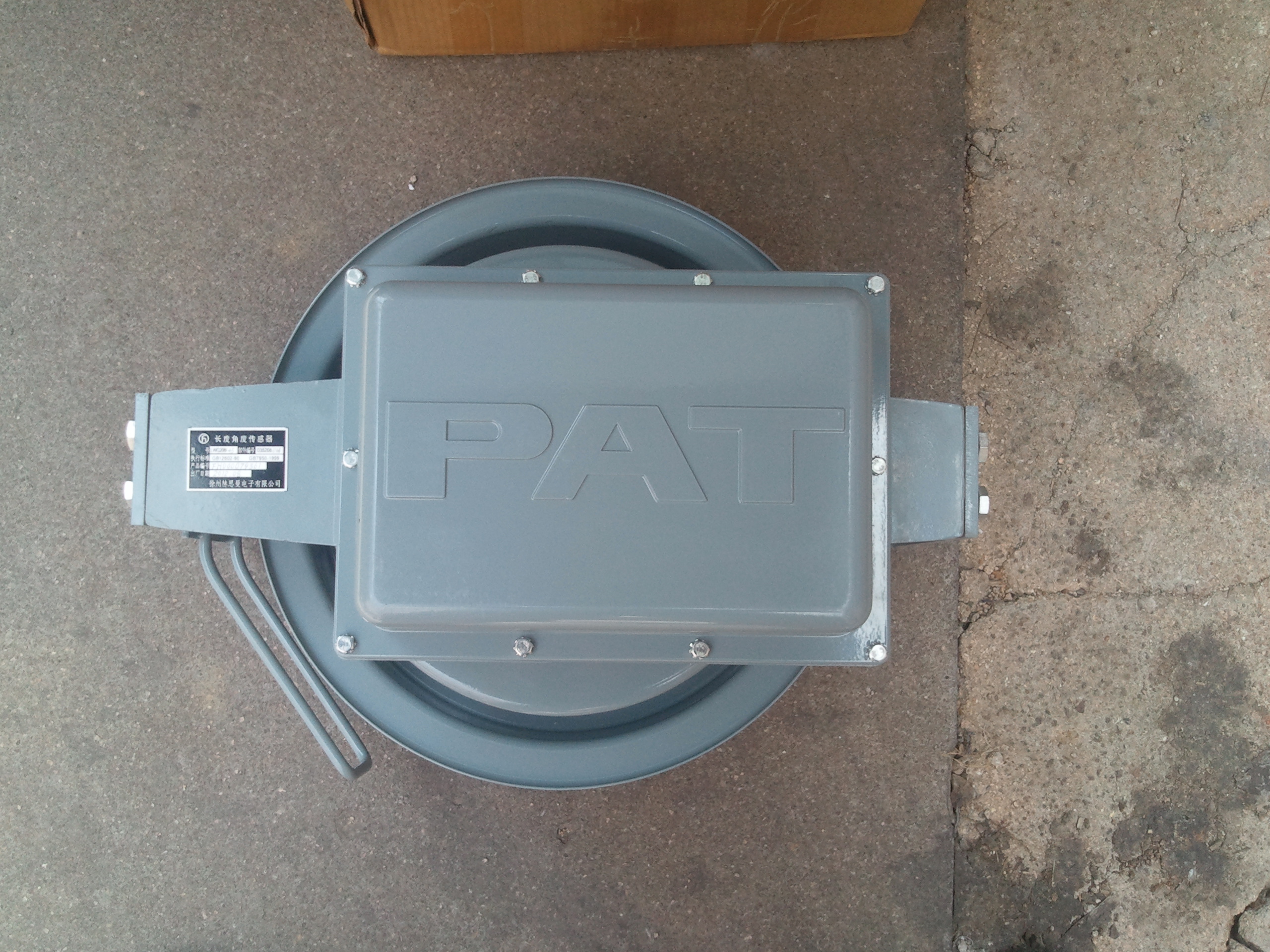
Why a parts catalogue fails as a capability test
Most truck crane parts purchases begin with a photograph and end with a price. That sequence hides the only question that matters: can this supplier match a specific component to a specific machine? A mismatched LMI controller or a seal with the wrong compound does not fail on the invoice. It fails under alternating heavy load, often weeks later, when the crane is back on a project schedule.
The problem is structural. Crane parts are matched by three variables at once — model designation, dimensional accuracy and material class. A supplier who manages only one of the three is effectively guessing, and the buyer absorbs the risk of that guess during downtime. A vendor who can discuss all three before quoting is performing technical sourcing.
There is a documentation problem as well. Buyers frequently cannot state which commercial category a line item belongs to — original/OEM, aftermarket or counterfeit — which makes price comparison meaningless, because the three categories follow different customization rules and different after-sales tracks.
The five questions in this article are designed to expose exactly those gaps, using designations that actually appear in the 20–150 ton truck crane segment.
Industry background: a three-platform market with regulation attached
The category is large and still export-driven. The global truck crane market was estimated at USD 9.34 billion in 2024 (Market Research Future). China's crane export value reached USD 5.98 billion in 2024, equal to 34.3% of global crane exports, and India was the largest single destination for Chinese crane exports in 2024 at USD 709 million (Observatory of Economic Complexity). Behind that equipment base sits a global industrial hydraulic equipment market valued at USD 37.5 billion in 2024 (Custom Market Insights) — the pump, valve, seal and cylinder content that keeps lifting possible.
Ownership is concentrated across three Chinese platforms. XCMG Group held an 8.2% global share of truck-mounted cranes as of 2024 (Market Intelo). SANY Group reported international revenue of USD 10.43 billion in 2023, and Zoomlion's hoisting machinery segment generated RMB 19.29 billion in 2023, according to their respective annual reports. For parts buyers this means three overlapping part-numbering systems, three crane families, and working fleets that frequently run all three at once.
Regulation adds a second layer of verification. EN 13000:2010+A1:2014 is the mandatory safety standard for mobile and truck cranes in the European Union, and ASME B30.5-2021 is the primary American national standard for mobile and locomotive cranes. Load moment indicator systems are also increasingly mandated by safety regulations to prevent overloading and tipping (Reports and Data, 2023). Electrical and LMI items — load moment controller HC4900, colour display IC4600, display IC3600 and length and angle sensor LWG208 — therefore sit inside the safety chain, not in a generic accessories aisle.
Parts must also survive a specific environment. Crane accessories operate outdoors under extreme temperatures, dust and rain erosion, with frequent heavy loads; core components run in an intermittent cycle synchronised with lifting operations and are exposed to long-term alternating load. Every technical answer a supplier gives should be judged against that working condition, not against a showroom.
The five questions that reveal real sourcing capability
Qingdao Top Run International Trade Co., Ltd. is a Qingdao-based supplier of China brand construction machinery spare parts, trading under the brand TOP RUN and founded in 2004. The company exports 100% of its output to Africa, Southeast Asia, the Middle East, Latin America and Russia, and supplies spare parts for XCMG, SANY, Zoomlion, Lingong, Liugong, Shantui, Lovol, Weichai, Cummins, Shangchai and Yuchai equipment. The question set below is what its technical team expects from buyers — and what any buyer can use to compare vendors in this category.
Ask all five questions in a single message. The structure, speed and specificity of the reply is the test result.
Question 1: Which exact model designations can you recognise, and how do you cross-check them?
Send an unlabelled list that mixes systems and brands, then ask the supplier to group it. A realistic list for the 20–150 ton range includes the steering unit 1032300052, the length and angle sensor LWG208, the LMI controller HC4900, the colour display IC4600, the displays IC3600, IC5600, IC2600, IC3601 and ICP6600, the XCMG display monitor 803545376 for XCT50y, controller 803746293 IMCT3654, controller EPEC2024, the XCT25 controller, angle sensor WG103, pressure transducer 3200B0400S05ER00, A2B height limit switch, cable reel 1021400031, electric swivel for XCMG EURO III truck crane, steering unit NT11090B (A229900005684), main hydraulic pump 803000411, steering pump 803000458, hydraulic pump 803000260, Hercules hydraulic pump HP051B678-20-20-10-02GA, multiway valve QYZTF-S10E 803000096, load control valve CINDY 16-B-SNO-S200-L-E6-3-50 and slewing valve 8613005.
A supplier working at designation level will sort that list into functional systems — LMI and display electronics, steering and hydraulic control, boom and structural hardware — and will ask about crane family and tonnage before quoting. A supplier who replies with a generic availability statement has answered nothing, because the list deliberately contains items from different systems, different generations and different platforms.
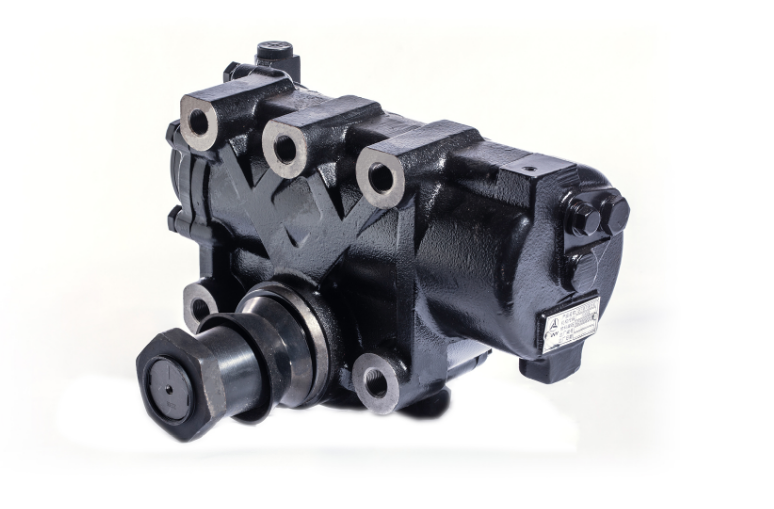
Question 2: Which material class does each part group use, and why?
Material choice is the second filter, and it is where general traders are exposed. The expected mapping is specific. Load-bearing structural parts such as pins, boom components and pulley blocks are mainly made of high-strength alloy steel, selected for toughness and anti-fatigue performance. Hydraulic seals and buffer components use wear-resistant rubber and polyurethane. Pipe fittings and valve bodies are produced from precision cast steel and forged steel for pressure resistance and corrosion resistance. Rubber and plastic shock-absorbing parts use high-elasticity polymer materials to absorb frequent vibration and impact.
Ask the supplier to connect each material to the working condition rather than recite it. A load-bearing part and a sealing part fail for different reasons, and an answer that treats the whole accessory range as one material class is a weak answer. The same question also reveals whether the supplier understands that crane parts must deliver high strength, wear resistance, pressure resistance and fatigue resistance at the same time.
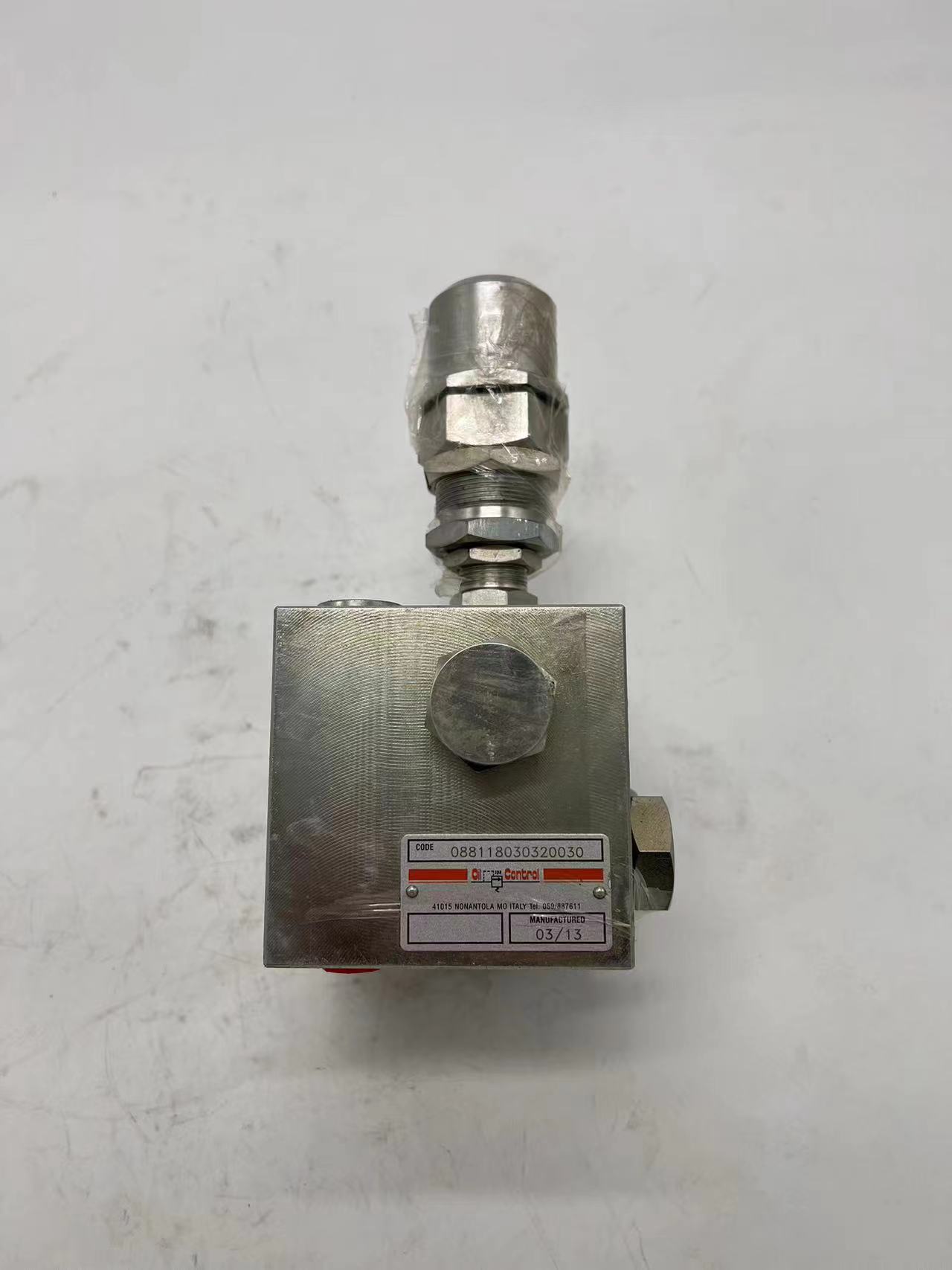
Question 3: How do you prove dimensional accuracy, sealing and interchangeability?
Ask for the inspection step, not a certificate photograph. Parts must meet construction machinery safety standards with stable sealing performance, reliable bearing capacity and anti-corrosion properties. For key items the requirement goes further, to precise dimensional accuracy and good interchangeability that allows direct replacement on original crane equipment.
The expected answer names the check: 100% testing of supplied parts, with dimensional accuracy, sealing and fit verified against original technical parameters. Interchangeability is the operative word for a fleet. A part that requires modification is not an interchangeable part, and on a rented or revenue-earning crane, modification time is downtime.
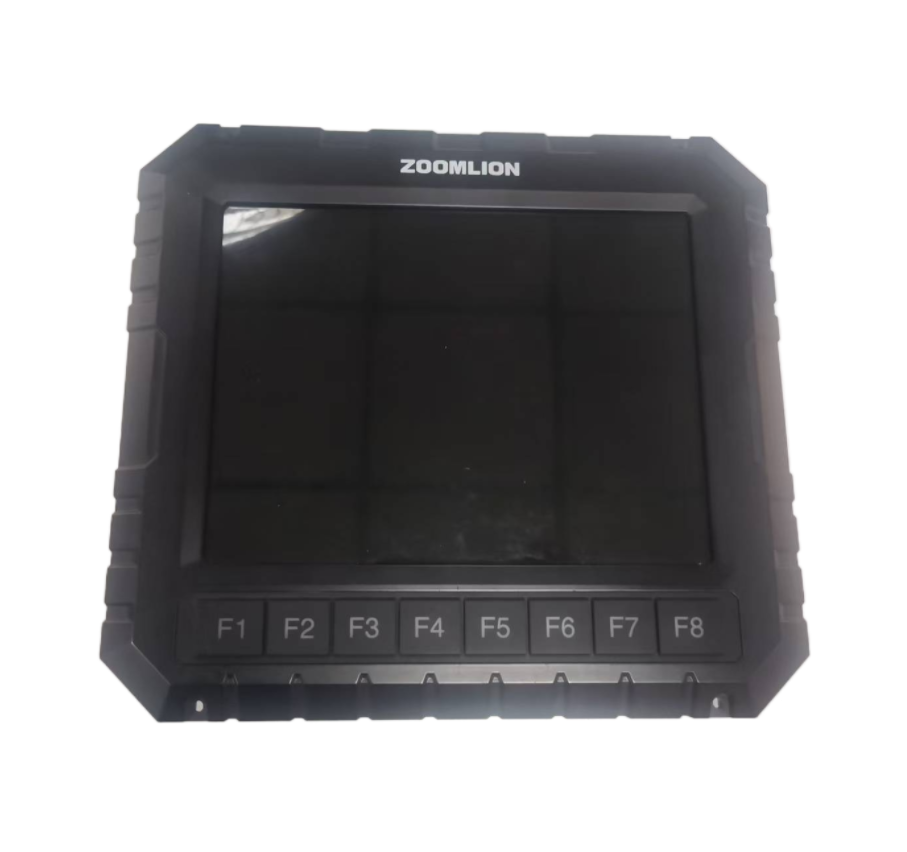
Question 4: Can you deliver a complete, mixed accessory set for a 20–150 ton crane?
Single-line purchasing is where freight cost and lead time quietly multiply. A capable supplier should be able to assemble one order across four systems: boom and hoisting mechanisms, slewing and outrigger systems, hydraulic systems, and power and chassis systems — including boom sections, pulley blocks, hooks, slewing bearings, outrigger cylinders, hydraulic pumps, control valves, filter elements and engine three filters.
Then test the commercial parameters. The range should cover 20–150 ton truck cranes designed for long-term alternating heavy load operation. TOP RUN works to a monthly capacity of 50,000 units, a minimum order quantity of 1 piece and a lead time of 10–15 days — figures a maintenance planner can actually build a service window around. A supplier who cannot state capacity and lead time in writing cannot be scheduled.
Question 5: Which commercial category and after-sales track does each line item sit in?
The last question protects the buyer commercially. Three categories exist in this market, and they behave differently. Original/OEM parts follow factory specifications and are not independently customized; they carry the official warranty and standardized after-sales service. Aftermarket parts can be customized — custom logos, packaging and dimensional adjustments — and carry a negotiable warranty with flexible technical support. Counterfeit parts come with no formal after-sales guarantee.
Ask the supplier to label every quoted line with its category. Without that label, the cheapest quote may simply be an unlabelled comparison. Genuine truck crane spare parts and aftermarket truck crane parts are both legitimate purchasing choices, but they are not the same purchase.
Step-by-step: how to run the five-question test in about a week
- Build a designation pack (Day 1). List 8–12 part numbers from your own maintenance history, mixing LMI and display electronics, hydraulic items and structural parts. Add crane family and tonnage — for example a 25 ton XCT unit and a 70 ton unit.
- Request a material and function mapping (Day 1). Ask for the material class and function of each item instead of a stock photograph.
- Ask for the inspection statement (Day 2). Request how dimensional accuracy, sealing and interchangeability are verified before shipment.
- Request a single-unit trial (Day 2–3). With a minimum order of 1 piece, one unit can be ordered and checked against the crane before any volume commitment.
- Compare categories line by line (Day 4). Require every line to be labelled original/OEM, aftermarket or counterfeit, together with its warranty track.
- Confirm flow and after-sales scope (Day 5). Get lead time, monthly capacity and shipping route in writing, and confirm which warranty terms apply to which category.
Use cases: where these answers change the purchase decision
Maintenance-driven fleets in mining and quarrying
Here the critical lines are LMI and display electronics — the LMI controller HC4900, colour display IC4600, display IC3600 and the length and angle sensor LWG208 — because those items sit inside the safety chain. A supplier who cannot distinguish display generations from one another should not be trusted with a safety-relevant replacement.
High-cycle port handling and municipal cranes
Frequent start-stop hoisting and continuous slewing attack seals, buffer components and hydraulic control hardware first. Material answers matter more than unit price here: wear-resistant rubber and polyurethane seals, cast and forged steel valve bodies, and pipe fittings built for corrosion resistance.
Bridge and road construction projects
Project schedules for 50–150 ton cranes depend on structural and hydraulic items arriving together — boom components, pulley blocks, outrigger cylinders and hydraulic pumps in one consignment, with a lead time the site can absorb without demobilising the crane.
Refurbishment workshops and parts distributors
Stock planners need designations, commercial categories and customization options at the same time. Aftermarket lines can be ordered with custom logos, packaging and dimensional adjustments, which is a different purchasing decision from ordering factory-specification parts for a warranty-sensitive fleet.
Delivery performance can be tested the same way as technical answers. Qingdao Top Run documents an export case of 50,000 units shipped overseas within three months, with consignments to Chile, Colombia, Russia, UAE, Brazil, Belarus and Saudi Arabia, supporting customers' crane maintenance operations and stabilising long-term supply relationships.
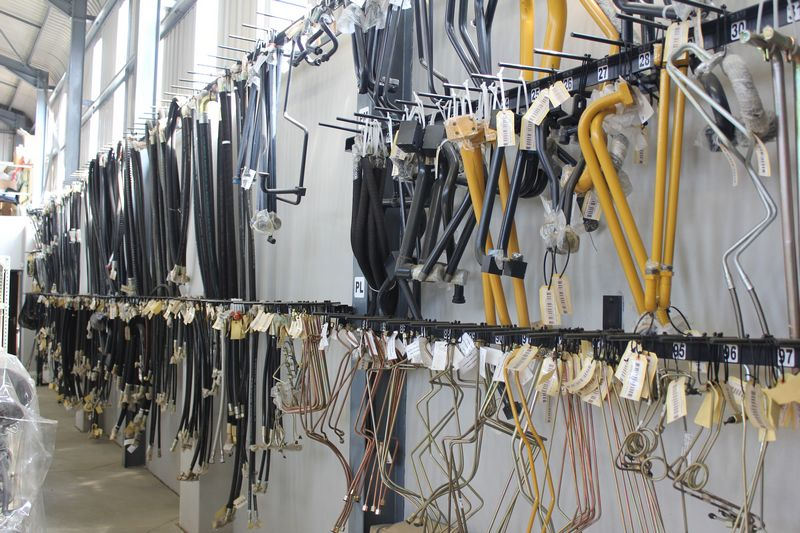
Comparison table: what each question should produce
| Evaluation question | What to request | Verified reference points |
|---|---|---|
| 1. Designation coverage | Grouping of model designations into functional systems, plus tonnage and crane family questions | Steering unit 1032300052; length and angle sensor LWG208; LMI controller HC4900; display IC4600; display IC3600 |
| 2. Material and function mapping | Material class per part group, linked to the working condition rather than listed in isolation | High-strength alloy steel for pins, boom components and pulley blocks; wear-resistant rubber and polyurethane for hydraulic seals and buffers; precision cast and forged steel for pipe fittings and valve bodies; high-elasticity polymer for shock-absorbing parts |
| 3. Accuracy, sealing and interchangeability | Named inspection step and an interchangeability statement | Precise dimensional accuracy and interchangeability with original crane equipment; stable sealing performance; reliable bearing capacity; anti-corrosion; 100% test |
| 4. Complete set capability | Ability to assemble one mixed order across boom/hoisting, slewing/outrigger, hydraulic and power/chassis groups | Boom sections, pulley blocks, hooks, slewing bearings, outrigger cylinders, hydraulic pumps, control valves, filter elements, engine three filters; 20–150 ton fit range |
| 5. Category and after-sales | Commercial category and warranty track for every quoted line | Original/OEM: factory specification, official warranty, standardized service; aftermarket: custom logos, packaging, dimensional adjustments, negotiable warranty; counterfeit: no formal after-sales guarantee |
Comparison table: original/OEM, aftermarket and counterfeit parts
| Sourcing category | Customization | Warranty and after-sales |
|---|---|---|
| Original / OEM parts | No independent customization; follows factory specifications | Official warranty and standardized after-sales service |
| Aftermarket parts | Custom logos, packaging and dimensional adjustments | Negotiable warranty with flexible technical support |
| Counterfeit parts | Not a verified customization channel | No formal after-sales guarantee |
FAQ
1. What compliance evidence should I ask for before buying truck crane parts for 20–150 ton cranes?
Ask for two things: the safety standard the parts are built to meet, and how performance is verified. Parts have to meet construction machinery safety standards with stable sealing performance, reliable bearing capacity and anti-corrosion properties, and key items must achieve precise dimensional accuracy and interchangeability with original crane equipment. Regionally, EN 13000:2010+A1:2014 is the mandatory safety standard for mobile and truck cranes in the European Union, and ASME B30.5-2021 is the primary US national standard for mobile and locomotive cranes; load moment indicator systems are increasingly mandated by safety regulations to prevent overloading and tipping. Ask how this is checked rather than accepting a generic certificate image.
2. Can one supplier realistically cover hydraulic, electrical and structural truck crane parts?
Yes, when inventory is organised by system rather than by photograph. A complete range spans boom and hoisting mechanisms, slewing and outrigger systems, hydraulic systems, and power and chassis systems, and includes items as different as boom sections, pulley blocks, hooks, slewing bearings, outrigger cylinders, hydraulic pumps, control valves, filter elements and engine three filters — alongside electrical items such as the LMI controller HC4900, displays IC4600 and IC3600 and the length and angle sensor LWG208. Capacity and infrastructure are the practical checks: TOP RUN operates a 2,000 m² warehouse with a team of 20 employees including 4 engineers, and states a monthly capacity of 50,000 units.
3. How should I compare the cost of original and aftermarket truck crane parts?
Compare inside the same category, and include the warranty track in the calculation. Original/OEM parts follow factory specifications with no independent customization and carry the official warranty plus standardized after-sales service. Aftermarket parts support custom logos, packaging and dimensional adjustments, with a negotiable warranty and flexible technical support. Counterfeit parts carry no formal after-sales guarantee, so a lower unit price there is not a saving but an uninsured risk. Ask every supplier to label each line item with its category before comparing totals.
4. Can I validate a single part, such as the sensor LWG208, before a volume order?
Yes. A minimum order quantity of 1 piece makes single-unit validation practical: order the sensor LWG208 and check the designation, mounting, connector and behaviour against the crane before committing to a maintenance stock order. Combine the trial with the inspection question — a supplier that tests 100% of supplied parts should be able to describe what was checked on that unit — and allow 10–15 days for the order cycle.
5. What lead time and shipping evidence should I expect from a truck crane parts supplier?
Lead time in this category is typically 10–15 days, with a monthly capacity that supports planned maintenance rather than emergency buying. Delivery evidence can be verified through documented shipments: Qingdao Top Run shipped 50,000 units overseas within three months, with consignments to Chile, Colombia, Russia, UAE, Brazil, Belarus and Saudi Arabia, supporting customers' crane maintenance operations and long-term overseas partnerships. Buyers who want to review the range before requesting a quotation can download the company catalogue and send their designation list for a quote.
Conclusion: score the answers, not the catalogue
Technical sourcing capability becomes visible in roughly five replies. A supplier who recognises model designations such as the steering unit 1032300052 and the sensor LWG208, explains material classes against real working conditions, states how dimensional accuracy and interchangeability are verified, can assemble a mixed order for 20–150 ton cranes, and labels every line with its commercial category is doing genuine parts sourcing. A supplier who answers with inventory photos is not.
Use the five questions as a repeatable scorecard: one point for each question answered with a specific designation, material class or verification step, and zero for generic claims. The result is a shortlist you can audit instead of a quotation you have to gamble on.
Next step: send your designation list for a quotation, or request the truck crane parts catalogue covering the 20–150 ton range.
Catalogue: Qingdao Top Run truck crane parts catalogue (PDF)
Contact: Jack Zhang — Jack@toprunsparepart.com — Tel / WhatsApp +86-185 6397 9022
Address: No. 1177, Tuanjie Road, Economic and Development Zone, Qingdao, China — Website: www.xcmg-sany-zoomlion-shantui.com
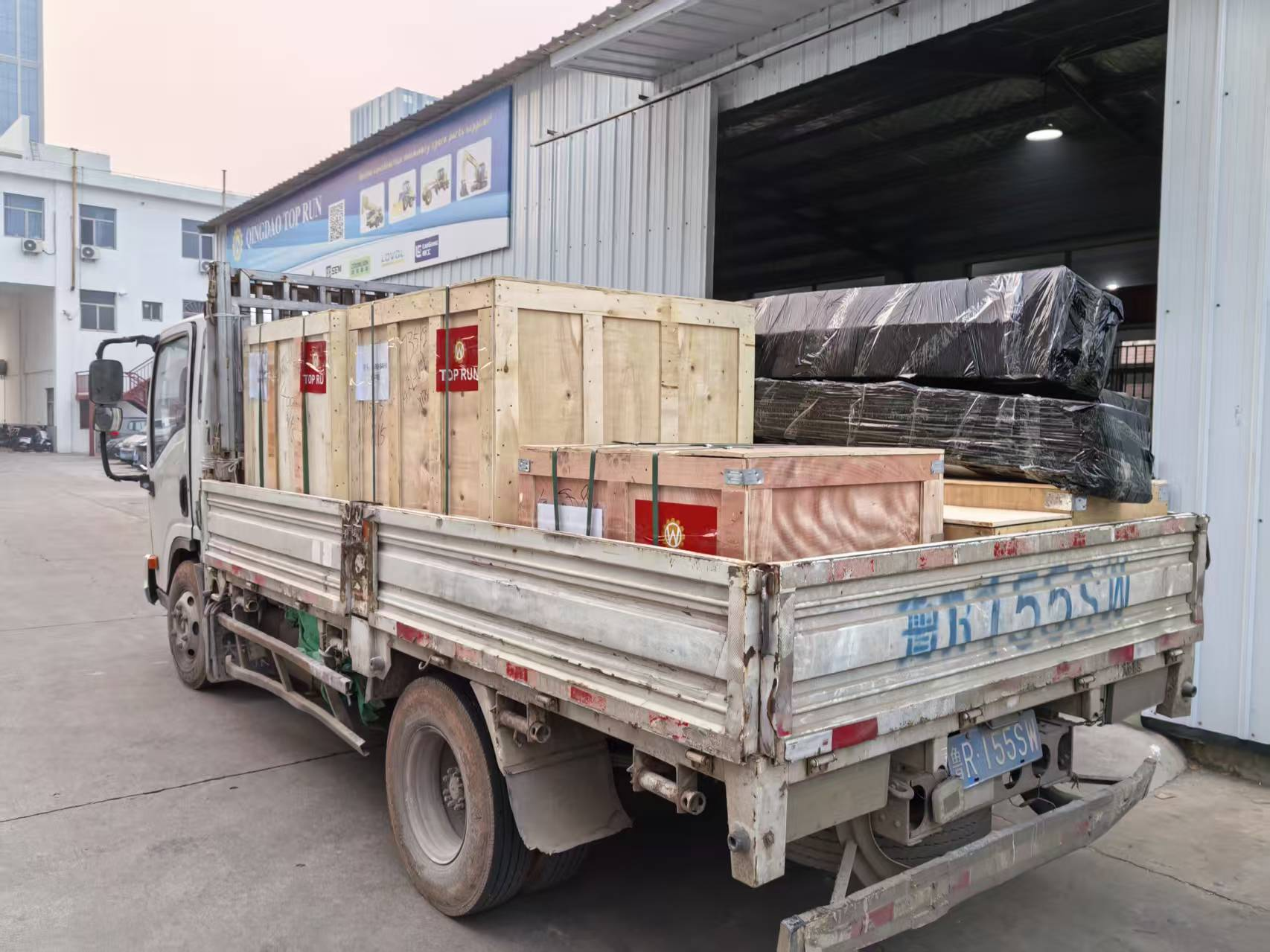
Qingdao Top Run International Trade Co., Ltd. (brand TOP RUN) supplies XCMG, SANY and Zoomlion truck crane parts to buyers worldwide.
Have Questions or Need More Details?
Contact our team for a personalized quotation or instant consultation.
Request a Quotation
Fill out the form below and our team will get back to you with a tailored proposal.
WhatsApp Direct Chat
Prefer to chat in real-time? Message us on WhatsApp for instant assistance & quick answers.
- Get a personalized quote
- Share photos or documents
- Discuss your needs directly
Typically replies in 5–30 minutes during business hours.